Gender perspectives in justice: international judicial mechanisms to combat domestic violence
On January 27–28, 2026, the National School of Judges of Ukraine hosted a two-day training course entitled “Preventing and Counteracting Domestic Violence: Trauma-Informed and Gender-Sensitive Justice,” attended by future judge-trainers from local general and appellate courts.
The event was held in cooperation with the MARTA Association's project “Ukraine: Strengthening the Capacity and Support of Women and Children Affected by War,” which is implemented with funds from the Latvian state budget and with the support of the Ministry of Foreign Affairs of the Republic of Latvia.
The training was organized with the aim of testing the methodology for conducting training courses for the preparation of judge-instructors (trainers) based on the developed training manual, with an emphasis on further practice-oriented training of judges and the formation of uniform approaches to the consideration of cases related to domestic and gender-based violence.
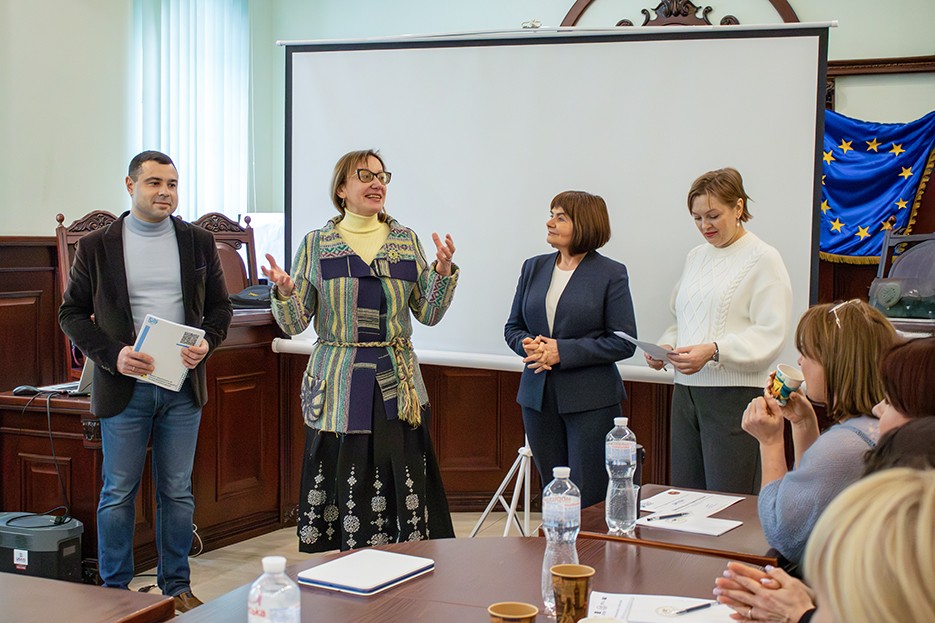
The training was opened by the course leader, lecturer-coordinator of the teacher (trainer) training department of the National School of Judges of Ukraine, Yelyzaveta Kovtyuk (training moderator), and the director of the Latvian Association MARTA Center, Iluta Lace. During her speech, Iluta Lace shared the history of the Association's creation and development, spoke about the support for its activities from the President and Government of Latvia, and announced the preparation of a study visit by Ukrainian judges to the Republic of Latvia.
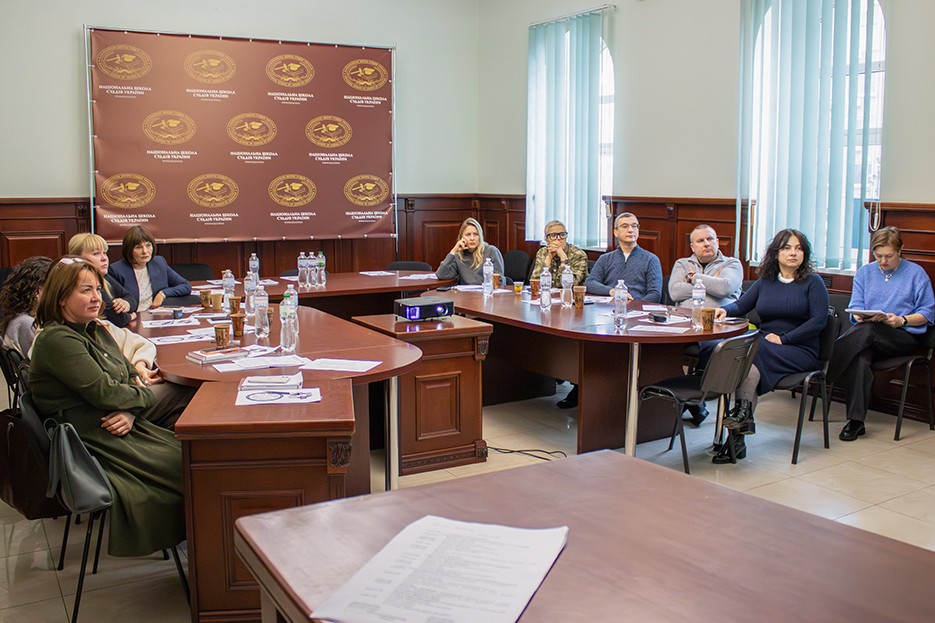
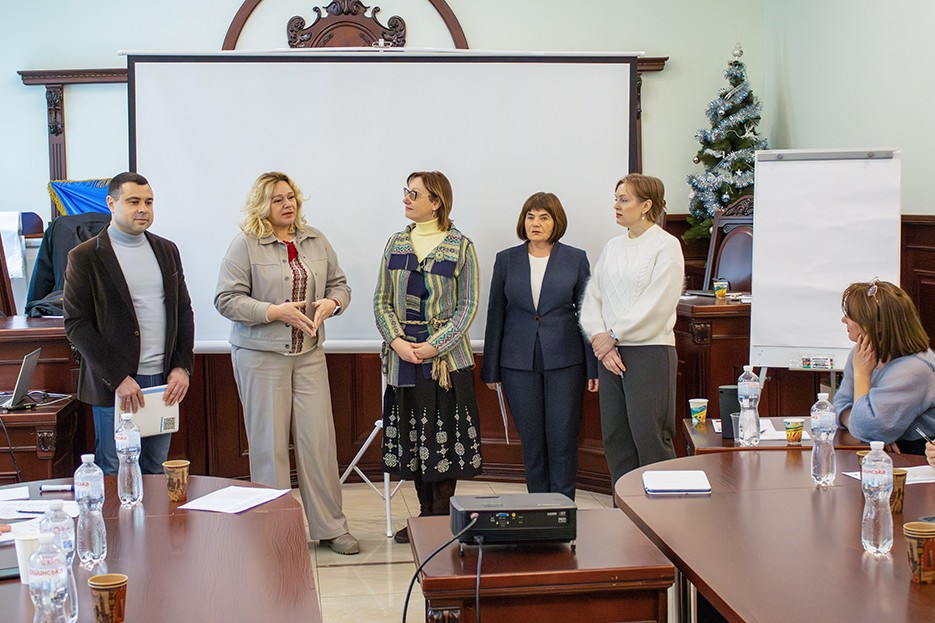
Natalia Chudayeva, coordinator of the Association's Ukrainian projects, expert on combating gender-based violence, supporting victims, and working with trauma (training moderator) informed participants about the activities of the established resilience centers—safe spaces that provide a variety of individual and group services, including assistance from psychologists, social workers, and lawyers. She emphasized that the MARTA Center pays considerable attention to training various specialists—psychologists, social workers, judges—organizes educational visits and professional tours, and creates training materials (manuals, videos, and other information resources).
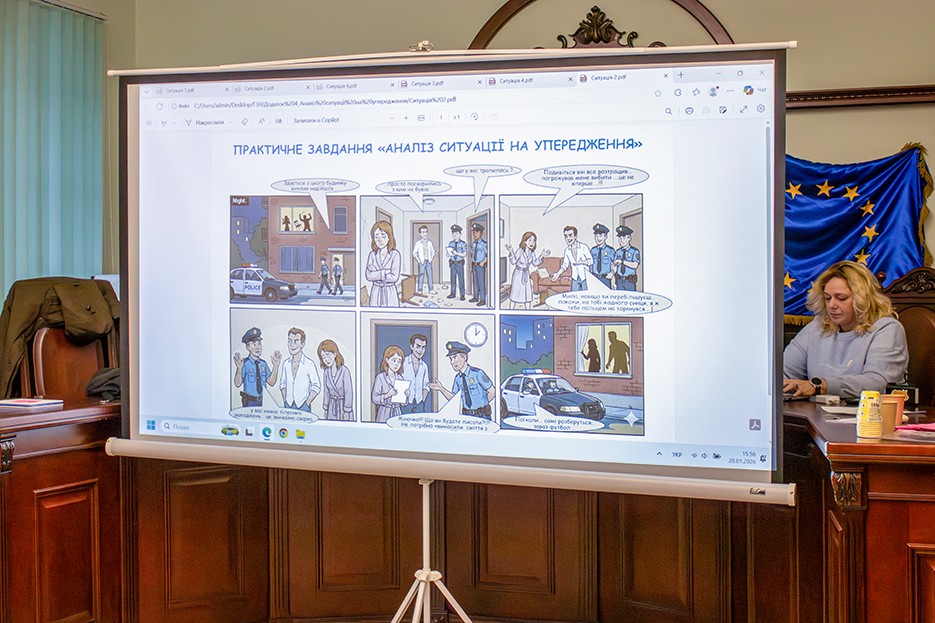
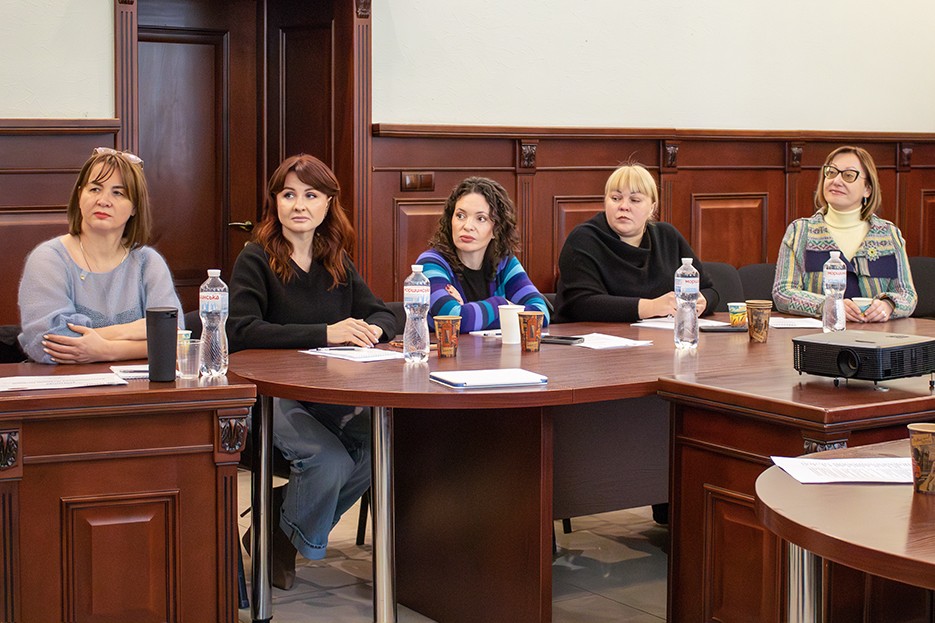
During the training days, teachers from the National School of Judges of Ukraine – Vadym Kulebyakin, judge of the Chemerovetsky District Court of Khmelnytskyi Region, and Olha Hida, judge of the Dovgyntsivsky District Court of Kryvyi Rih, Dnipropetrovsk Region – emphasized to future course instructors that the subject matter is aimed not only at helping judges master legal norms, but also at teaching them training methods and applied algorithms for judicial and legal regulation. These algorithms must comply with the requirements of national legislation, the general practice of the Supreme Court, and international human rights standards.
During the training, considerable attention was paid to improving the ability of judges to correctly classify and recognize forms and dynamics of violence, correctly interpret the criterion of “systematicity” and the limits of evidence, taking into account the generalizations of the practice of the Cassation Criminal Court within the Supreme Court. Separate consideration was given to the application of procedural guarantees and mechanisms to prevent secondary victimization of victims, based on their rights in criminal proceedings, as well as ensuring the proper quality of judicial control in related procedures, in particular in cases concerning restrictive orders and their protective purpose.
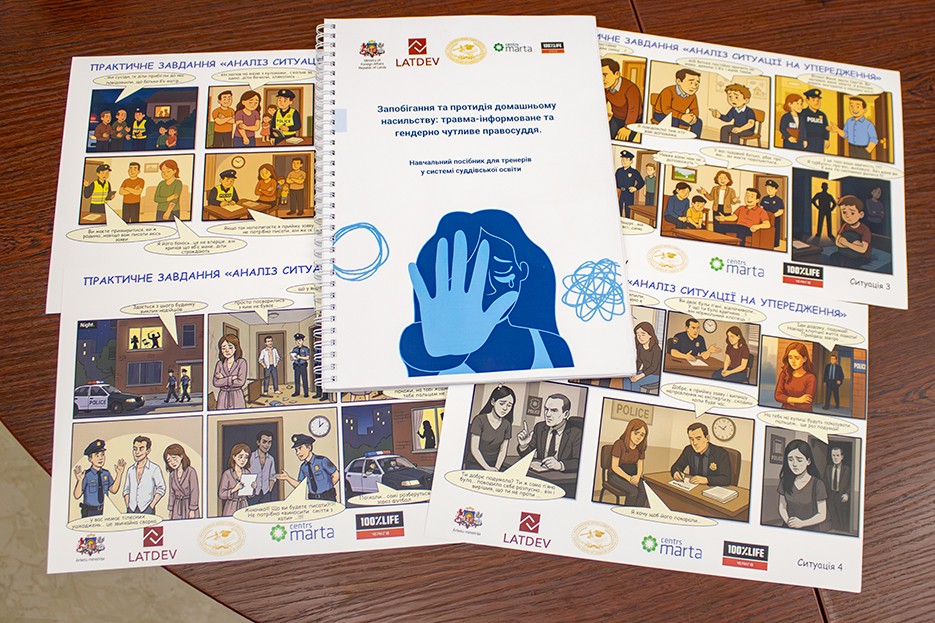
An important element of the training was the discussion of the implementation of international standards – the provisions of the Council of Europe Convention on Preventing and Combating Violence Against Women and Domestic Violence, the practice of the European Court of Human Rights in the daily professional activities of judges, taking into account Ukraine's ratification of the Istanbul Convention and the standards of positive obligations of the state regarding the effective protection of human rights.
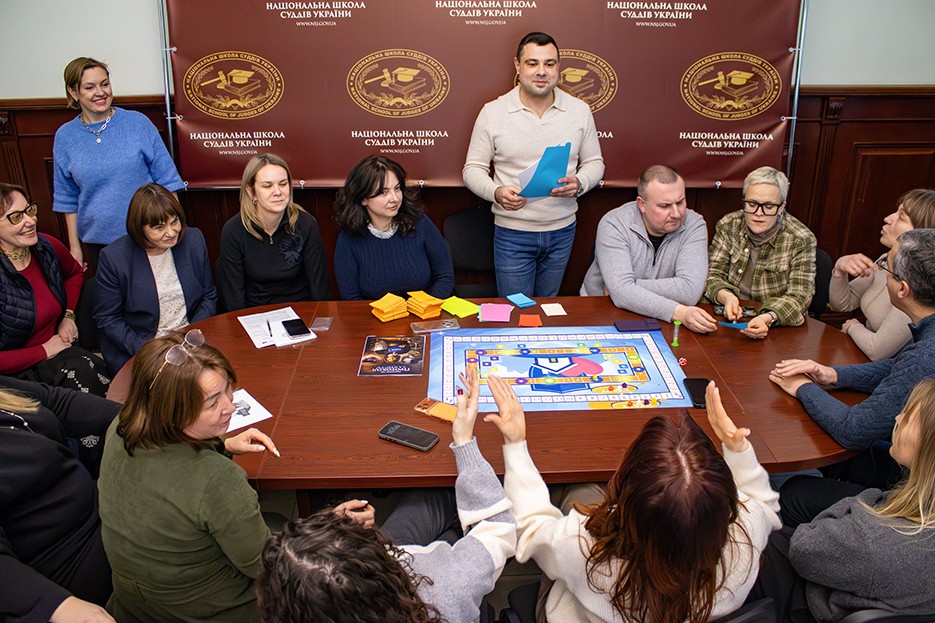
The training was conducted in an interactive format using role-playing exercises, discussions, and original board games related to the training topics. This made it possible to combine theoretical knowledge with practical skills and contributed to a deeper understanding of the principles of trauma-informed and gender-sensitive justice.
 Вища кваліфікаційна комісія суддів України
 Сайт Президента України
 Верховна Рада України
 Урядовий портал
 Судова влада України
 Вища рада правосуддя