Anti-corruption in line with EU rules: what changes will the Ukrainian justice system have to make on the path to membership?
The second day of the seminar focused on anti-corruption reforms in the context of accession to the European Union. Participants examined the EU’s criteria and requirements, the institutional capacity of states, the independence of the judiciary, the effectiveness of law enforcement, as well as the monitoring and enforcement of the anti-corruption acquis both before and after accession to the EU.
Particular attention was paid during the training to the practical application of European standards and their significance for national justice systems. The format included not only thematic presentations but also question-and-answer sessions, as well as a professional exchange of views between participants and experts.
The training thus combined the study of EU law with a practical understanding of how anti-corruption standards operate at institutional and national levels, and what significance they will have for the Ukrainian justice system in the process of European integration.
The seminar forms part of the professional development of judges in the field of European Union law and helps to deepen Ukrainian judges’ understanding of European anti-corruption standards, the mechanisms for their implementation and law enforcement practice.
The European Union’s anti-corruption standards are becoming an increasingly important part of Ukraine’s legal framework on its path to EU membership. The National School of Judges of Ukraine, together with its European partners, is analysing the institutional mechanisms for combating corruption in the EU, as well as the current standards and requirements for countries on the path to membership, in order to deepen understanding of their significance for the Ukrainian justice system.
The two-day international seminar ‘European Union Anti-Corruption Law’, held at the end of September 2026, was dedicated to the development of EU anti-corruption law, its institutional mechanisms and the practical significance of European standards for Ukraine on its path to EU membership.
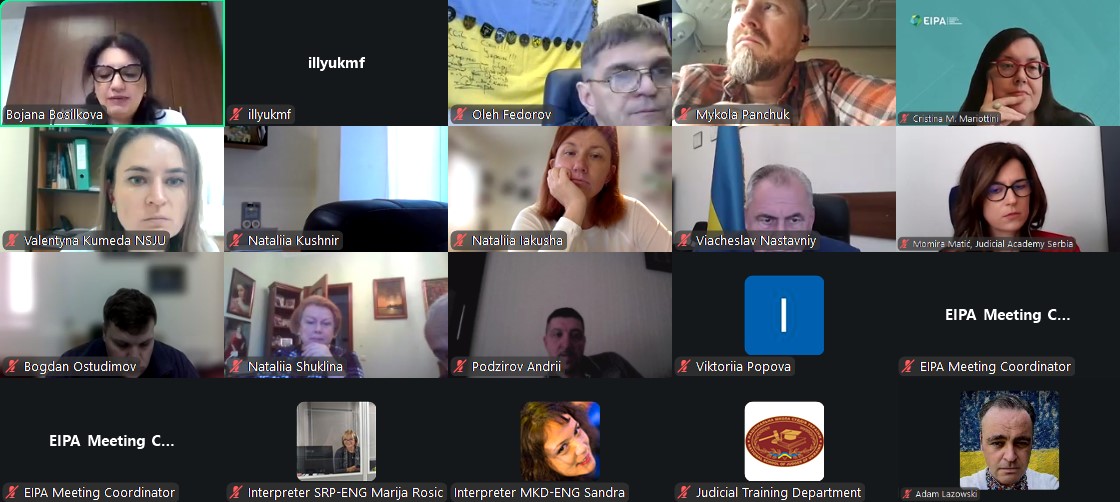
The event was organised by the National School of Judges of Ukraine with the support of the European Institute of Public Administration (EIPA), the Luxembourg Technical Assistance Programme for Ukraine, and partners from North Macedonia, Serbia and Luxembourg.
On behalf of the National School of Judges of Ukraine, Vice-Rector Nataliia Shuklina welcomed the seminar participants.
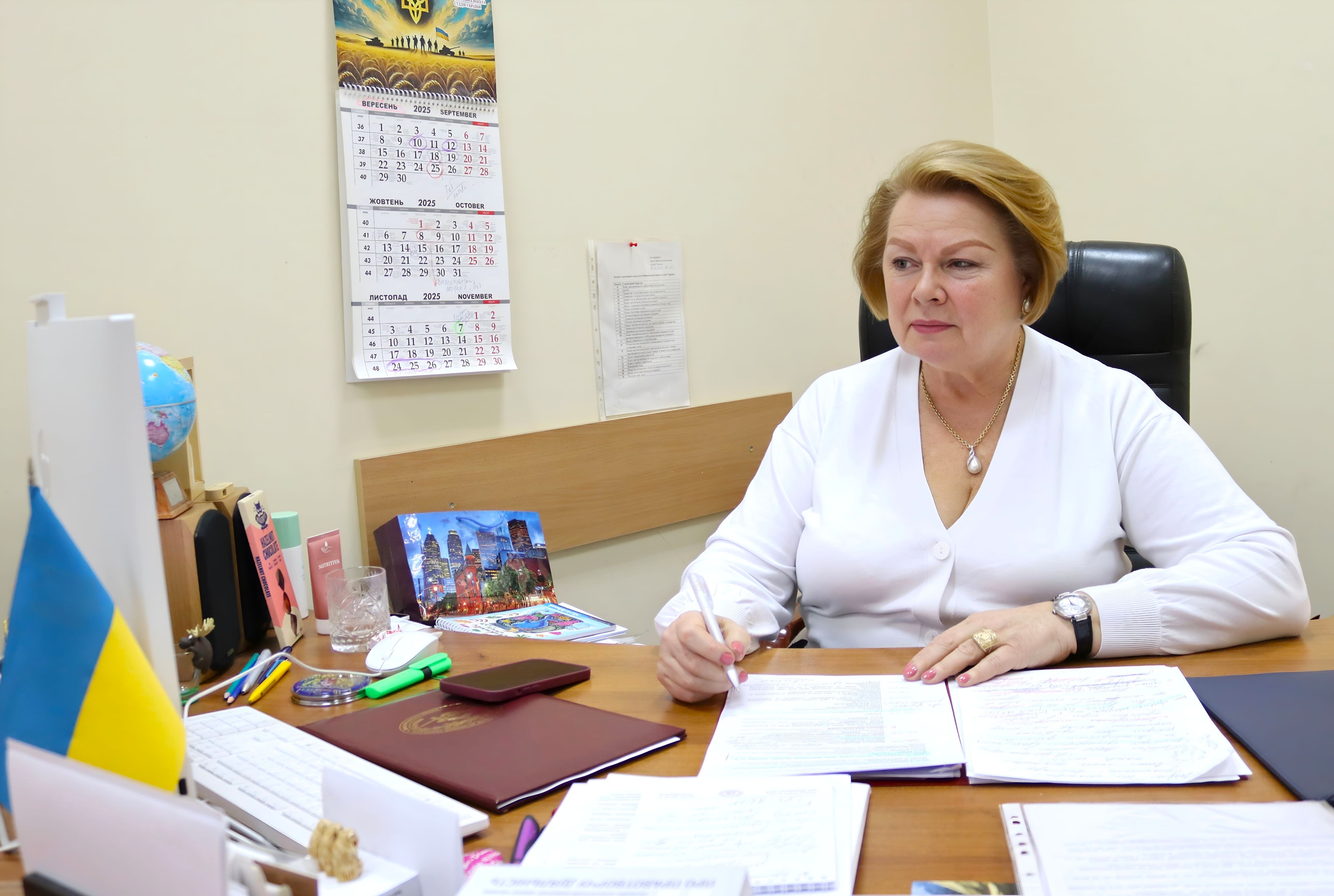
She emphasised that the fight against corruption is one of the key elements of the rule of law, the proper functioning of democratic institutions, and public trust in the state and the justice system. For Ukraine, this issue takes on
particular significance in the context of European integration and the fulfilment of obligations on the path to membership of the European Union.
The Vice-Rector noted that the National School of Judges, as a body responsible for tasks relating to the rule of law and the alignment of legislation with EU standards, pays particular attention to training judges in anti-corruption law and policy.
Leading European experts were invited to the seminar, including Professor of EU Law Adam Lazowski, Professor of European and International Criminal Law Katalin Ligeti, and EIPA legal expert Dr Christina M. Mariottini, who chaired the seminar.
The seminar programme covered the key components of the European Union’s anti-corruption acquis. On the first day, participants examined the evolution of the EU’s anti-corruption acquis and the main provisions of Directive (EU) 2026/1021 on combating corruption, in particular issues relating to the prevention of corruption, the criminalisation of relevant acts, sanctions and ensuring effective law enforcement.
A separate thematic block was devoted to the EU’s institutional architecture in the field of anti-corruption. Participants analysed the role of the European Commission, OLAF, Eurojust and the European Public Prosecutor’s Office (EPPO), as well as the mechanisms for their interaction with national authorities.
Другий день семінару був зосереджений на антикорупційних реформах у процесі вступу до Європейського Союзу. Учасники розглянули критерії та вимоги ЄС, інституційну спроможність держав, незалежність судової влади, ефективність правозастосування, а також моніторинг і забезпечення дотримання антикорупційного acquis до та після вступу до ЄС.
Особливу увагу під час навчання приділили практичному виміру європейських стандартів та їхньому значенню для національних систем правосуддя. Формат передбачав не лише тематичні презентації, а й сесії запитань і відповідей, а також професійний обмін думками між учасниками та експертами.
Таким чином, навчання поєднало вивчення права ЄС із практичним розумінням того, як антикорупційні стандарти функціонують на інституційному та національному рівнях і яке значення вони матимуть для української системи правосуддя в процесі європейської інтеграції.
Проведення семінару є складовою розвитку професійної підготовки суддів у сфері права Європейського Союзу та сприяє поглибленню розуміння українськими суддями європейських антикорупційних стандартів, механізмів їх реалізації та практики правозастосування.
 Вища кваліфікаційна комісія суддів України
 Сайт Президента України
 Верховна Рада України
 Урядовий портал
 Судова влада України
 Вища рада правосуддя