Consistency in judicial practice in combining the Supreme Court’s experience with European approaches
How can we ensure consistency in judicial practice in criminal proceedings, avoid procedural errors and correctly take into account the case law of the ECHR and the Court of Justice of the EU when delivering judicial decisions?
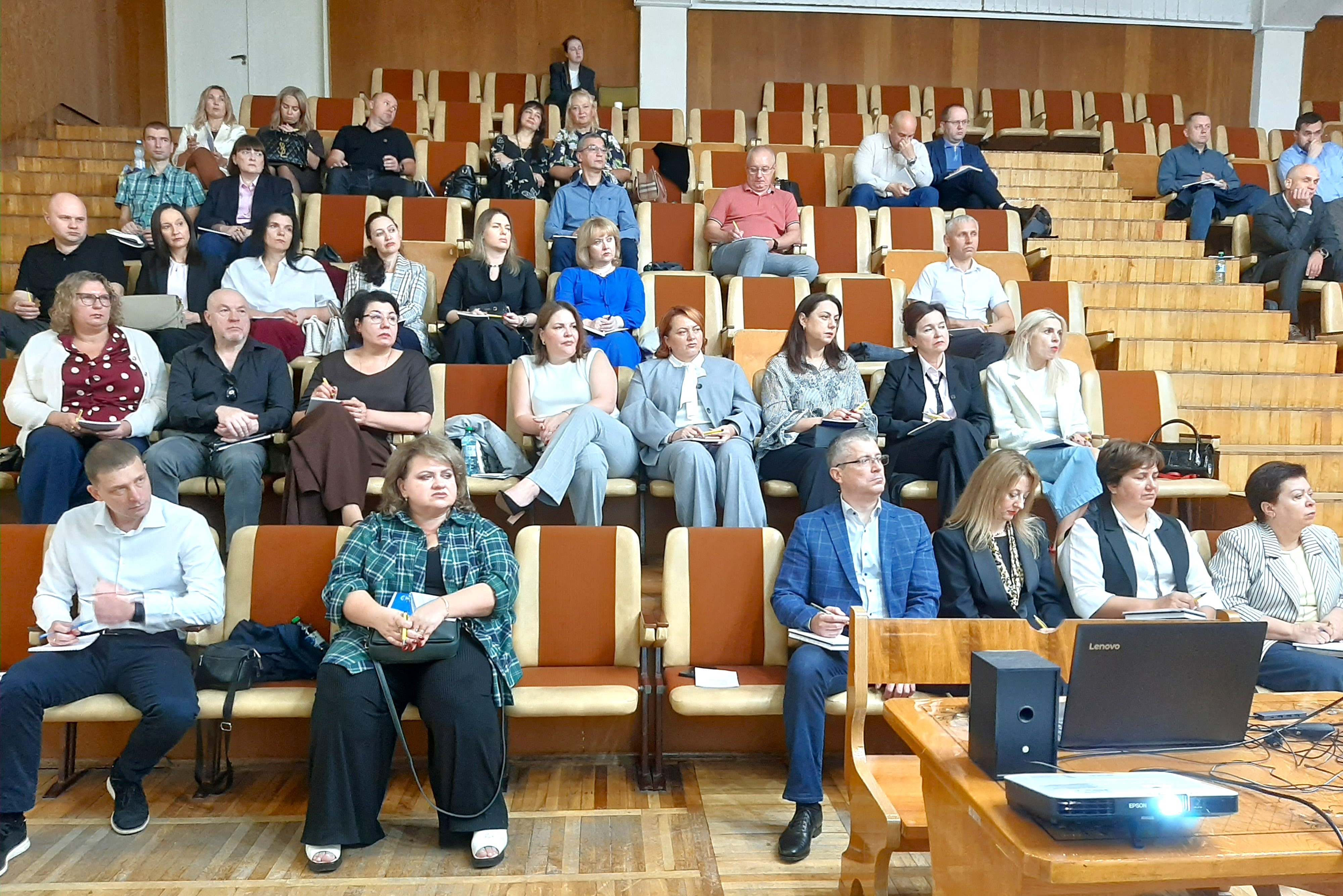
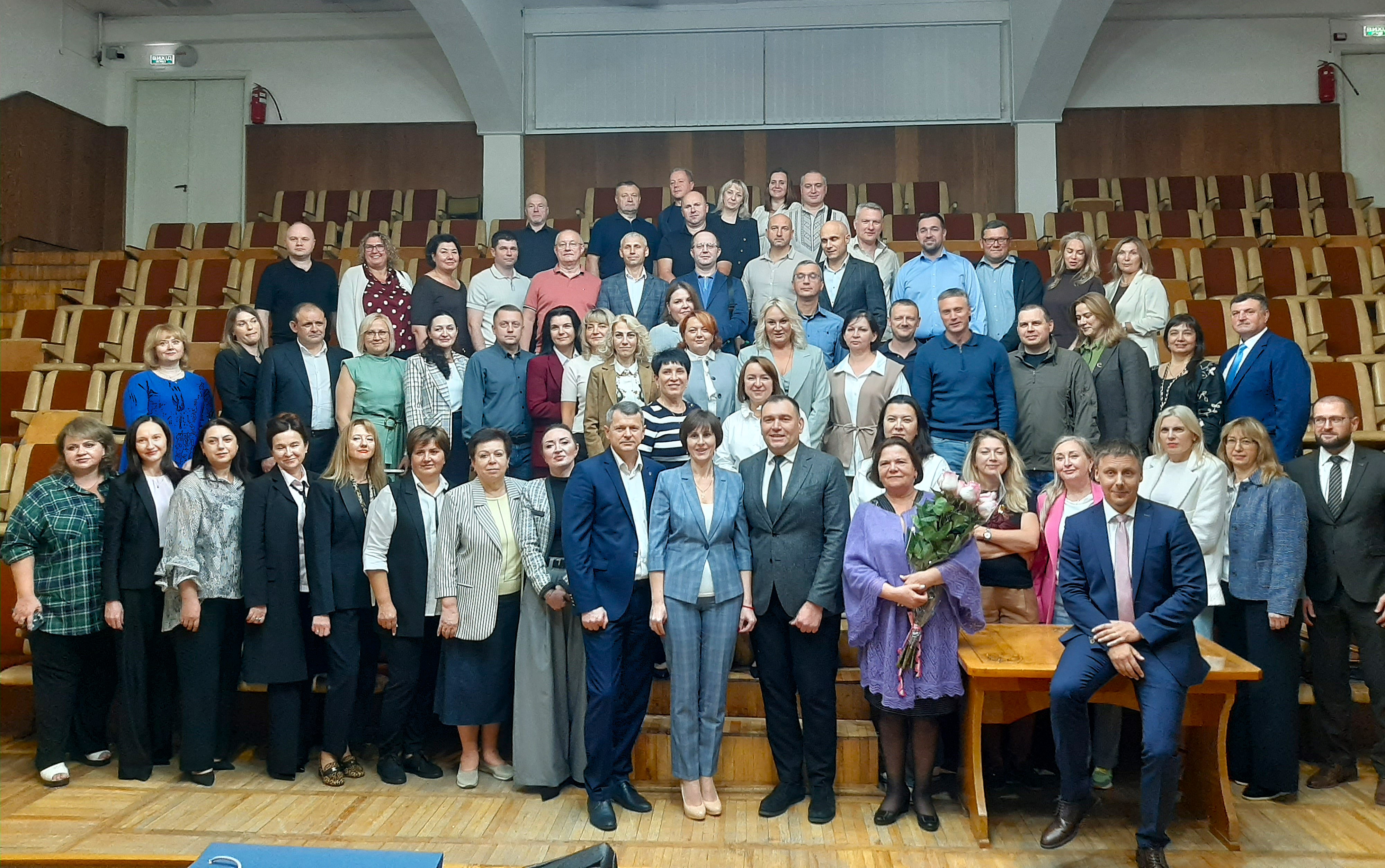
These issues were the focus of the seminar ‘Current Issues in Criminal Justice’, held on 18 September 2026 by the Dnipro Regional Branch of the National School of Judges of Ukraine in cooperation with the European Union Advisory Mission in Ukraine (EUAM).
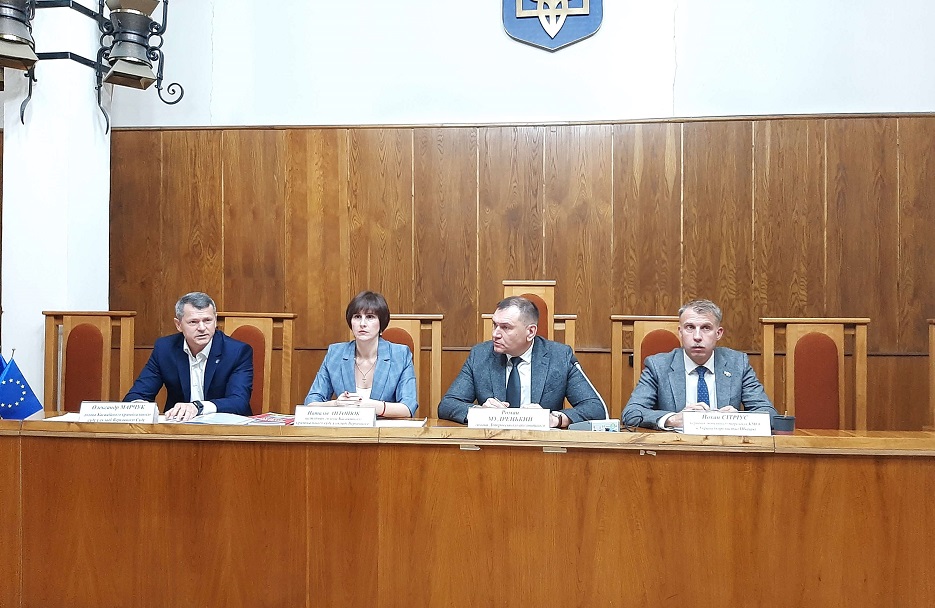
Judges from local courts of first instance and courts of appeal took part in the training. The aim of the seminar was to deepen understanding of the Supreme Court’s current approaches to resolving problematic issues in pre-trial proceedings and the trial of criminal cases in the court of first instance, as well as to promote consistency in judicial practice, legal certainty and the uniform application of legal provisions.
The training programme paid particular attention to the role of international and European case law in the application of national law. Participants discussed how the decisions of the ECHR and the EU Court of Justice shape the interpretative framework for national judges, and how applicable international law, relevant international case law and interpretative materials should be taken into account when administering justice.
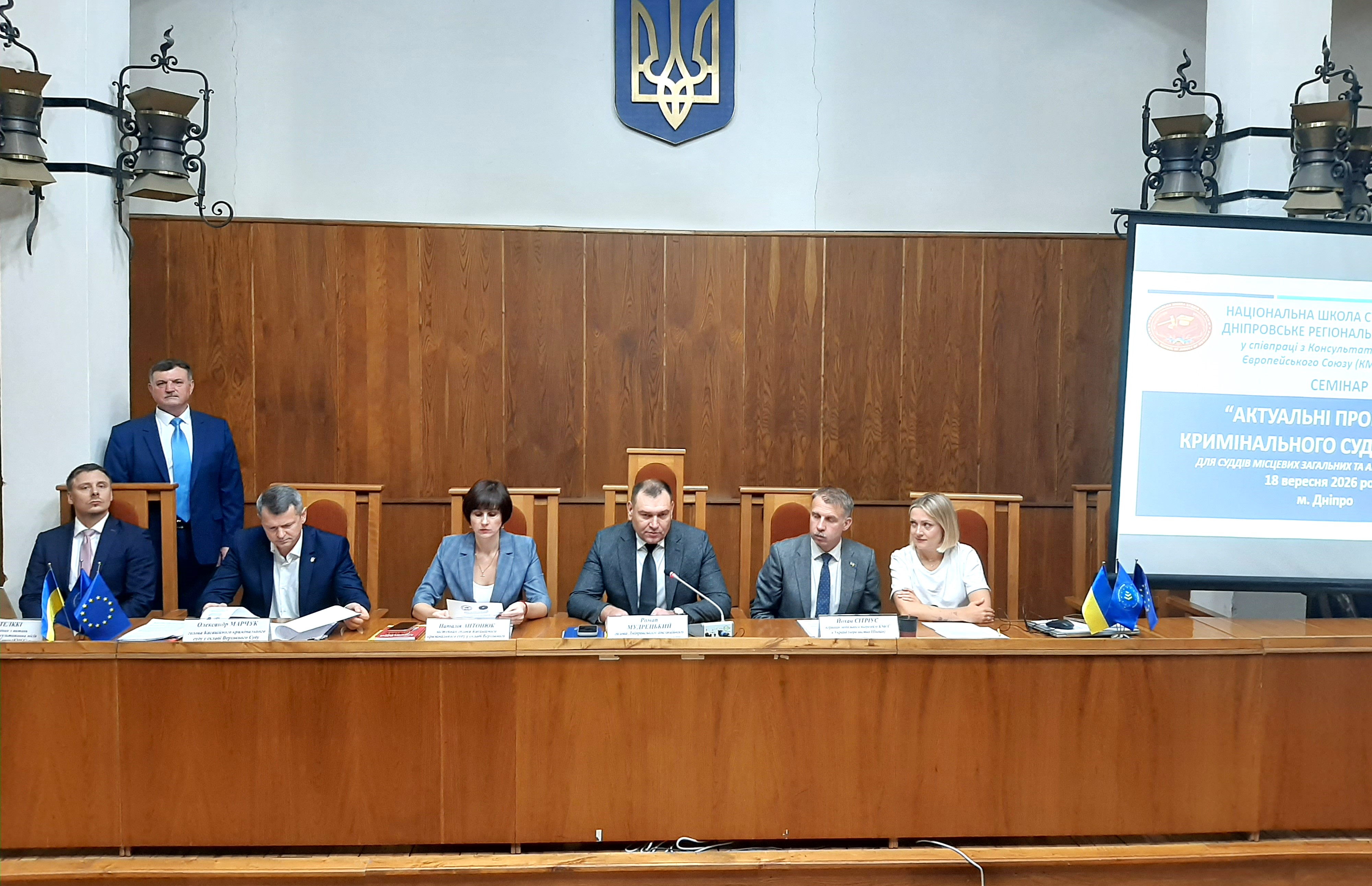
At the opening of the training session, the Director of the Dnipro Regional Branch of the National School of Judges Volodymyr Poplavskyi, the Head of the Dnipro Court of Appeal Roman Mudretskyi and the Head of the Mobile Unit of the EUAM in Ukraine (Kingdom of Sweden) Johan Chytraeus emphasised the importance of professional exchange and updating practical approaches to the handling of criminal proceedings.
The speakers at the seminar were Oleksandr Marchuk, Head of the Criminal Cassation Court within the Supreme Court; Nataliia Antoniuk, Deputy Head of that court; and Henri Telkki, Senior Adviser on Prosecutorial Affairs at the EUAM in Ukraine (Republic of Finland).
 |
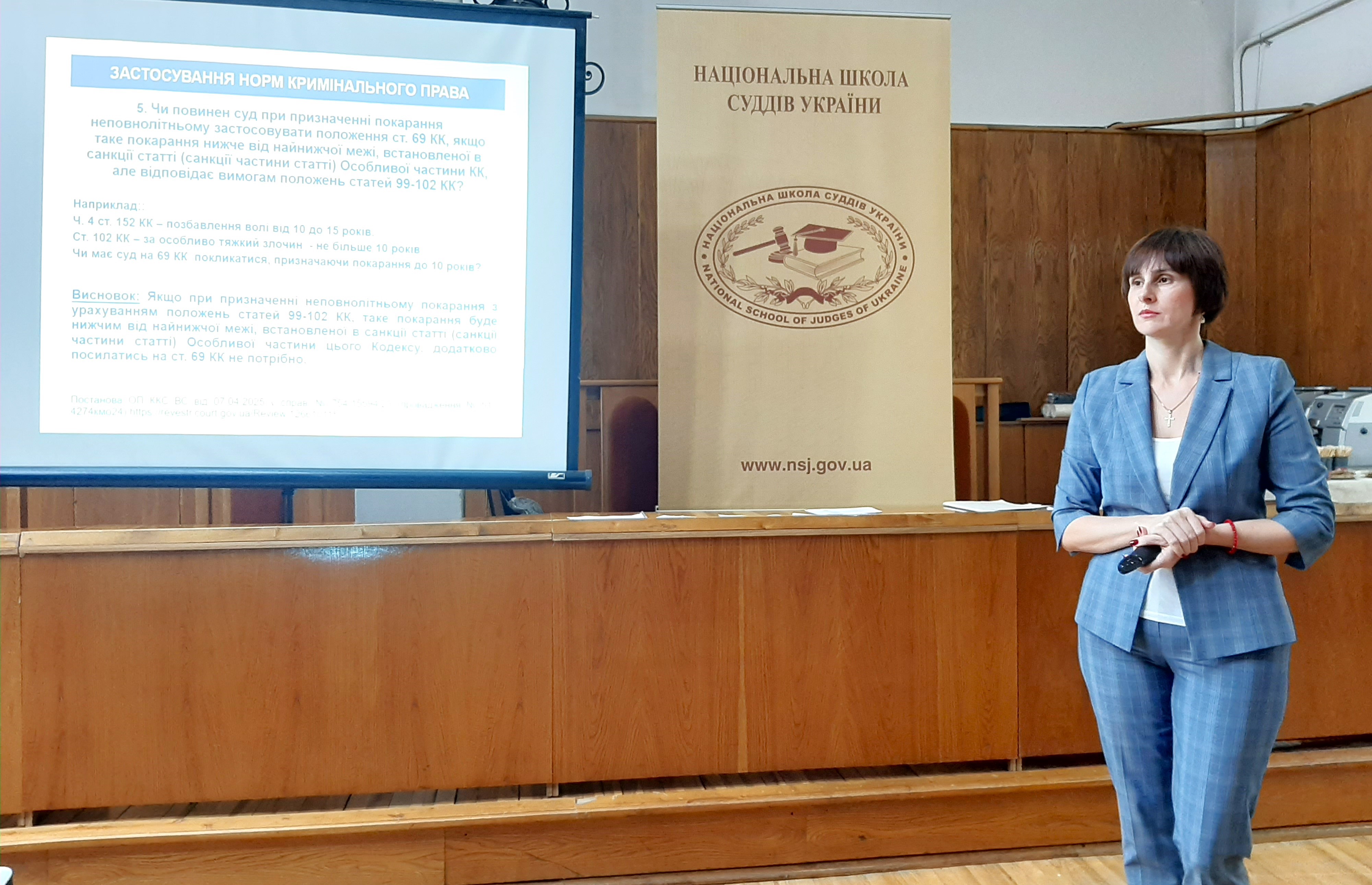 |
As part of the training, the judges familiarised themselves with the current case law of the Criminal Court of Cassation regarding preparatory proceedings and the trial phase of criminal proceedings. Particular attention was paid to analysing typical procedural errors that may affect the legality and soundness of judicial decisions, as well as specific issues relating to the application of the case law of the European Court of Human Rights in criminal proceedings.
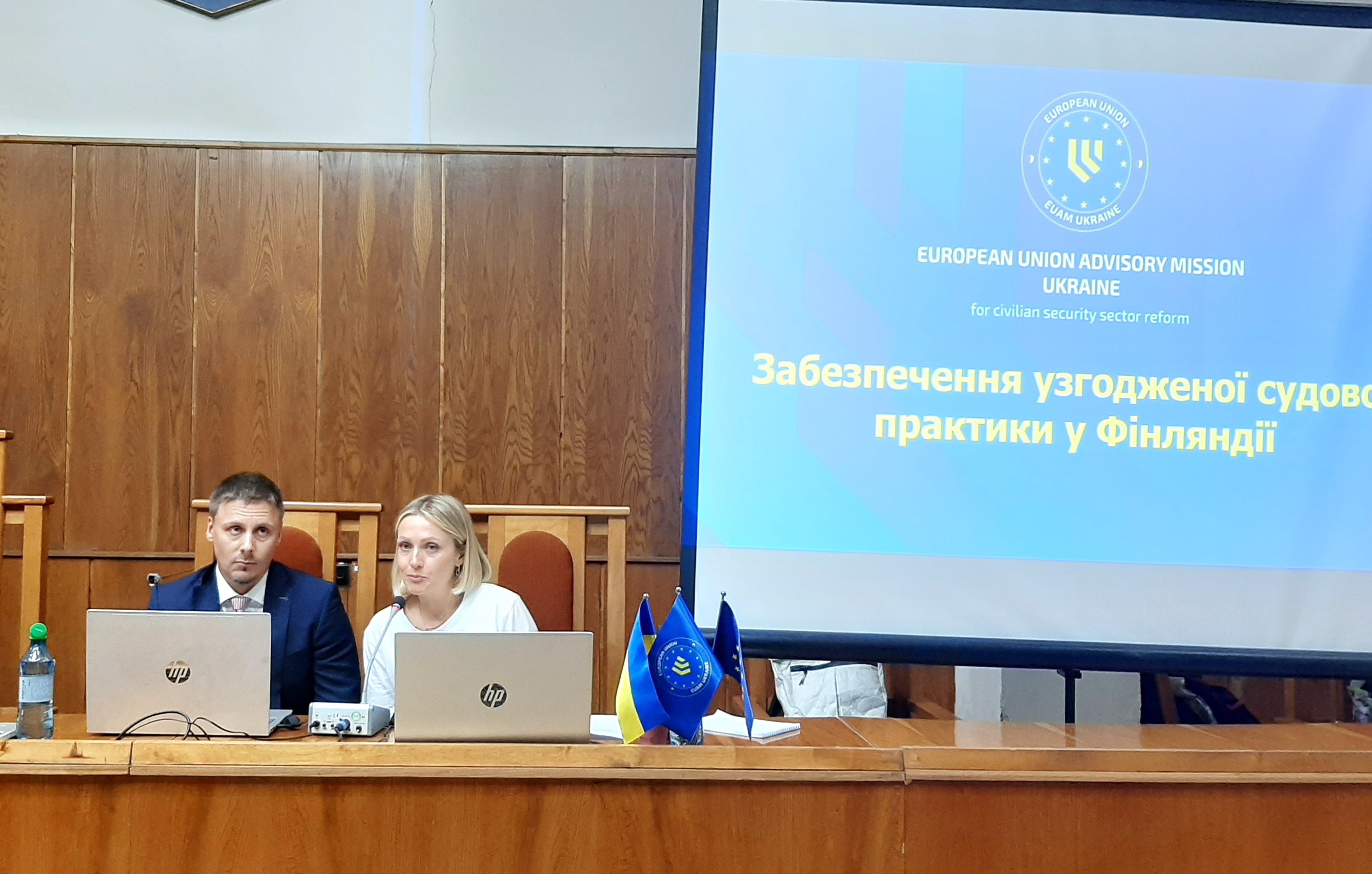
The European dimension of the seminar was complemented by Finland’s experience in establishing consistent judicial practice within the European and international legal framework. This exchange enabled participants to compare national approaches and highlight practical mechanisms for ensuring consistency in judicial decisions.
 |
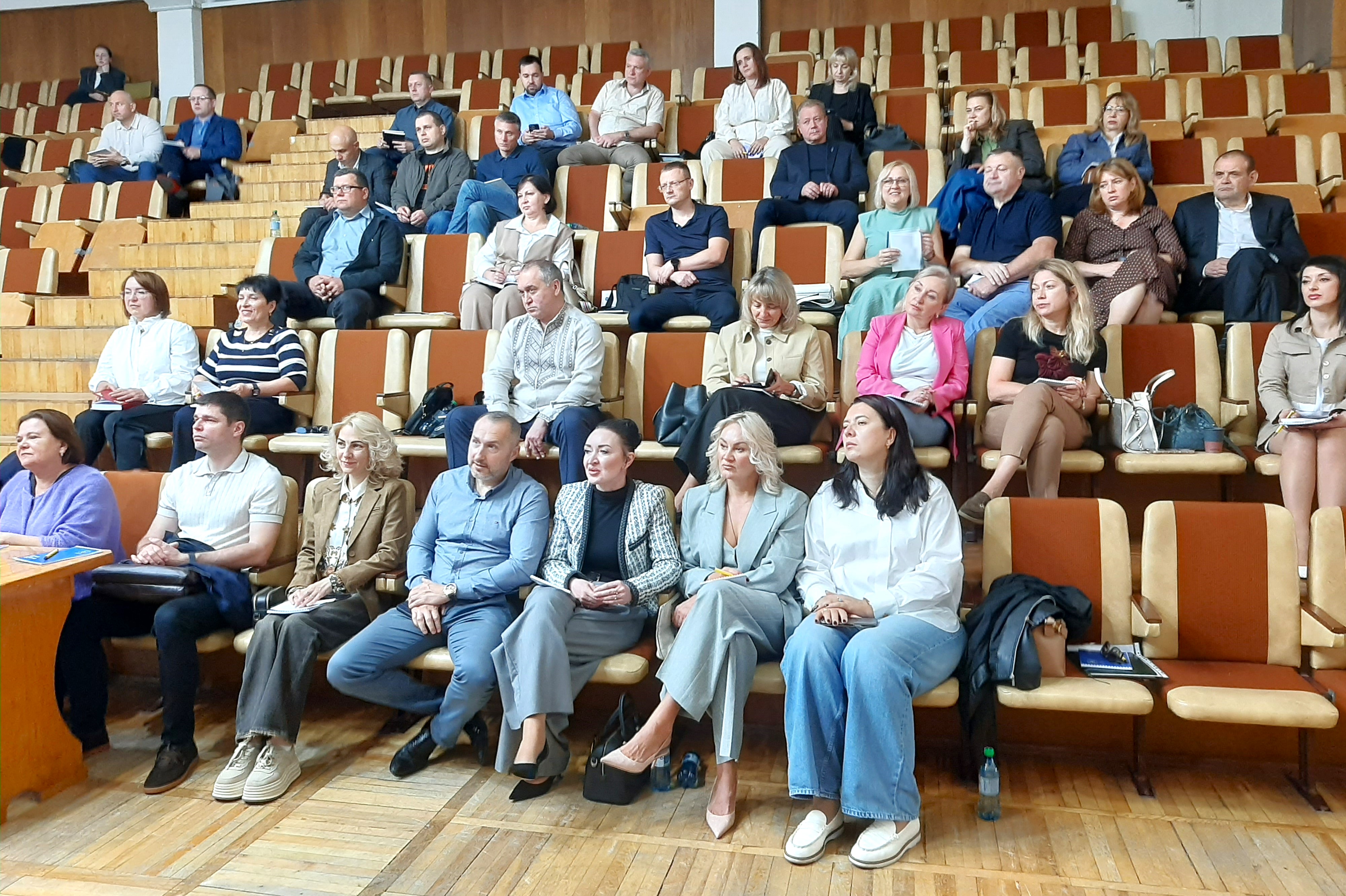 |
The format of an open professional dialogue gave participants the opportunity not only to refresh their knowledge, but also to examine complex procedural issues in detail using practical examples, to ask questions and to receive clarification from representatives of the Supreme Court and the international expert community.
The approaches discussed and the European experience gained will contribute to the further development of consistent judicial practice, the assurance of legal certainty and the upholding of high standards of fair criminal justice.
 Вища кваліфікаційна комісія суддів України
 Сайт Президента України
 Верховна Рада України
 Урядовий портал
 Судова влада України
 Вища рада правосуддя