International crimes in court rulings: a training course for judge-trainers
How should a court judgement in a case involving an international crime be substantiated? The assessment of evidence, the establishment of the facts and the presentation of convincing arguments in support of the court’s conclusions require particular attention to the requirements of national legislation and international standards of justice.
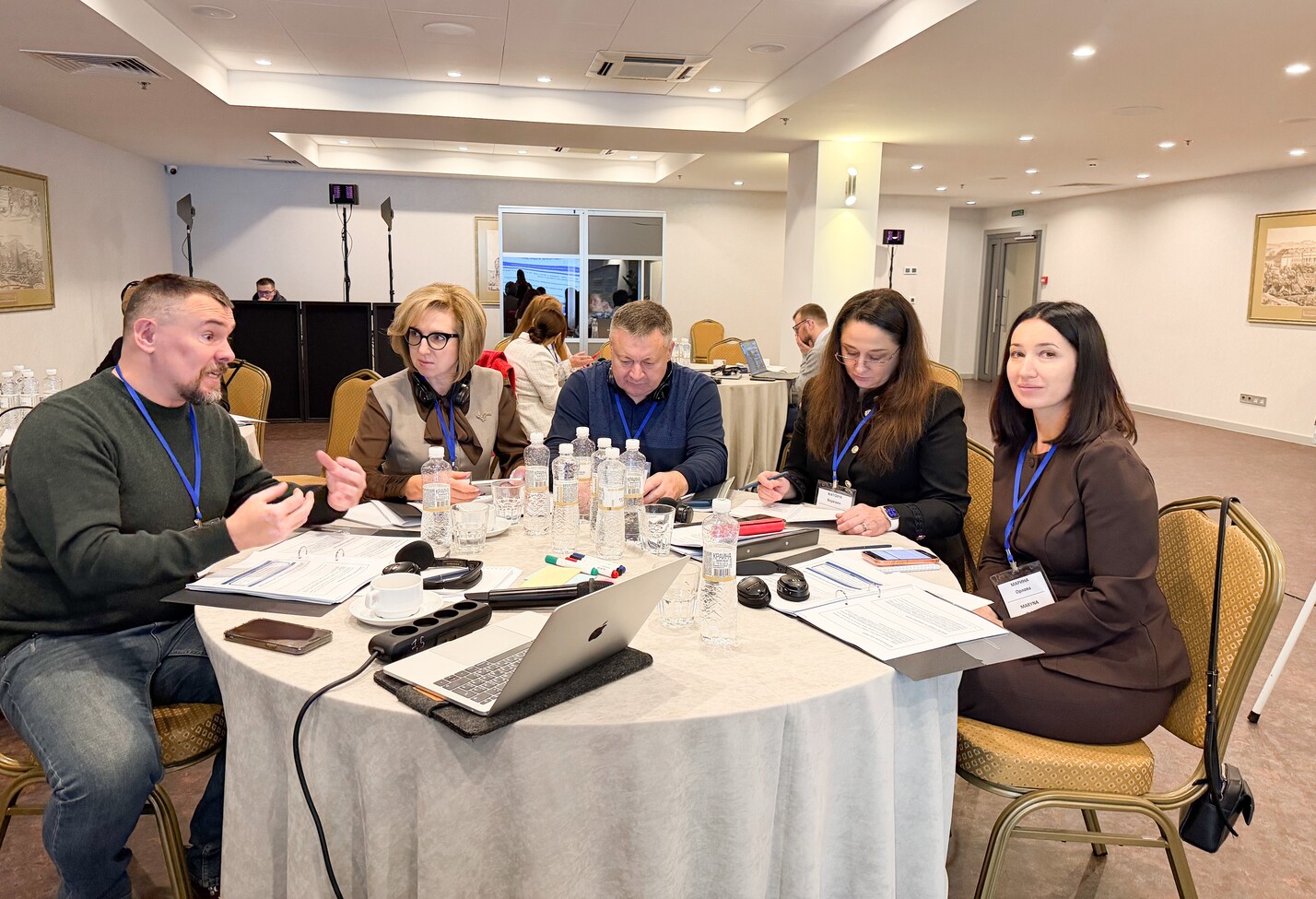
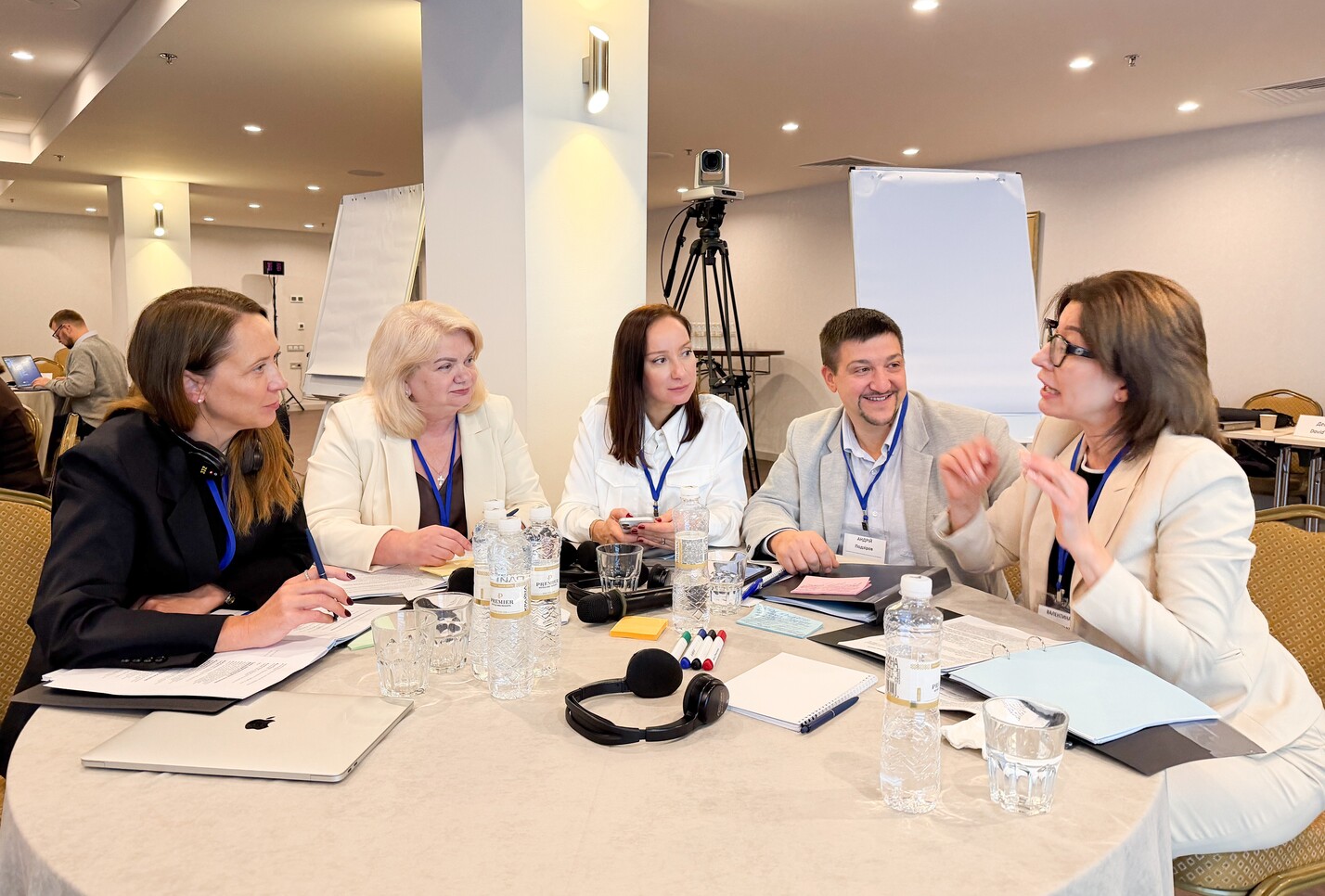
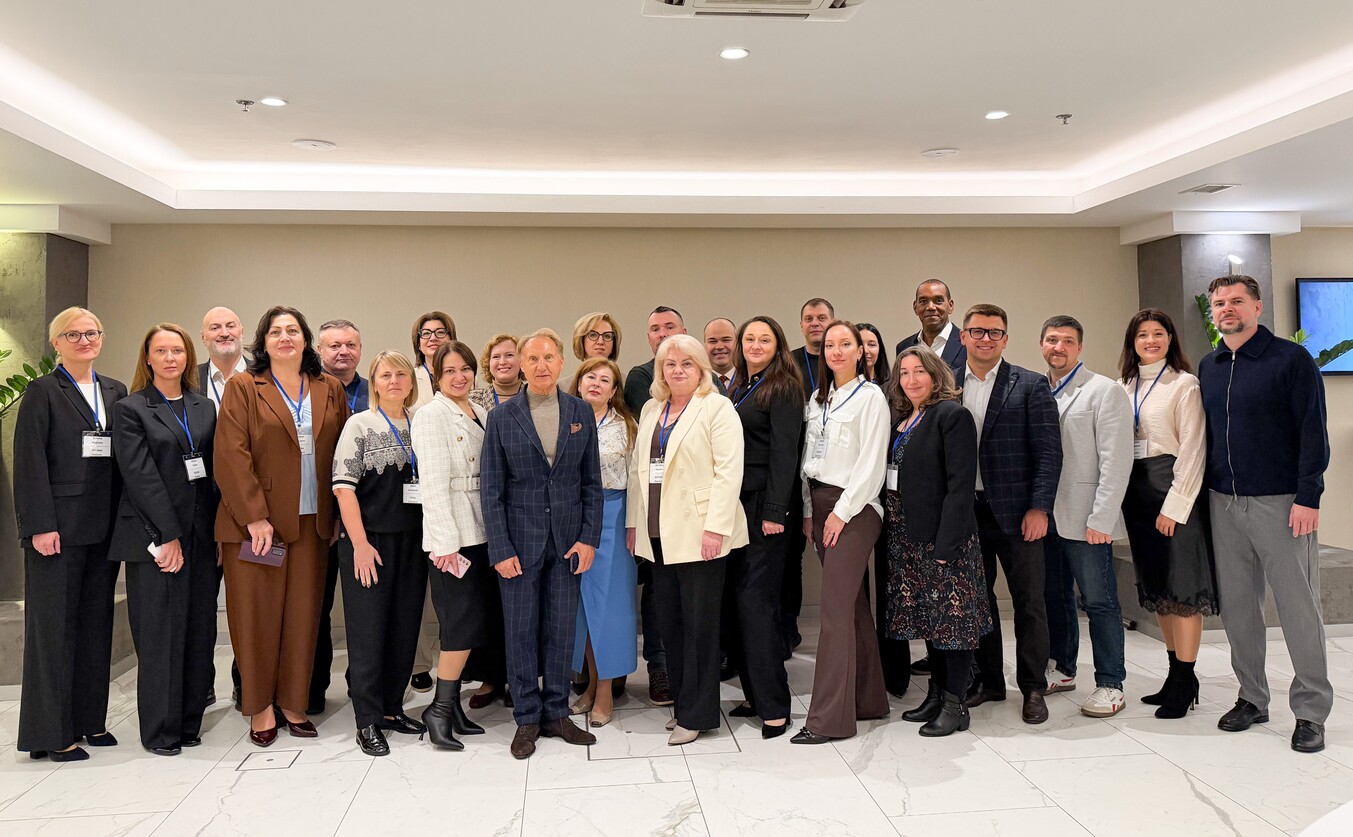
To promote these approaches within the judicial education system, the National School of Judges of Ukraine, in collaboration with the European Union Advisory Mission in Ukraine, held a two-day training course for judge-trainers in Lviv. The training focused on teaching methods for a course on drafting court judgments in cases involving international crimes.
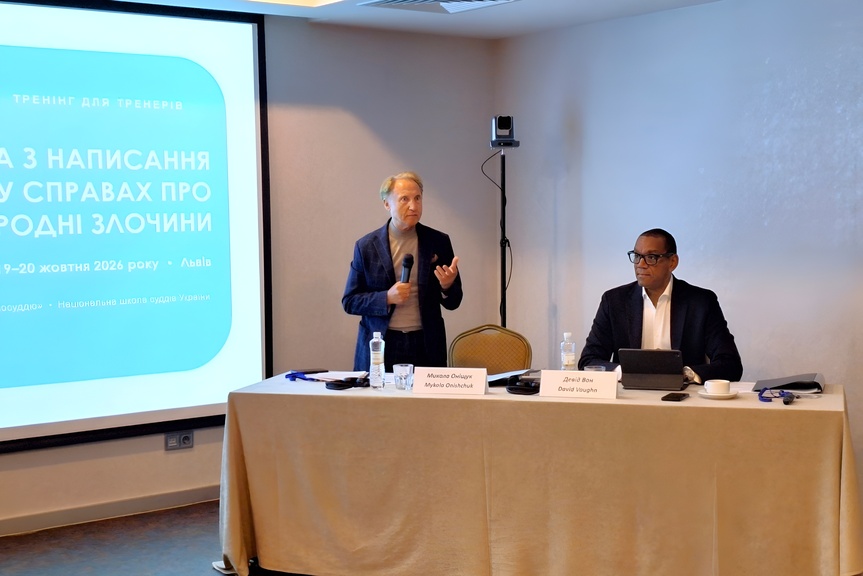
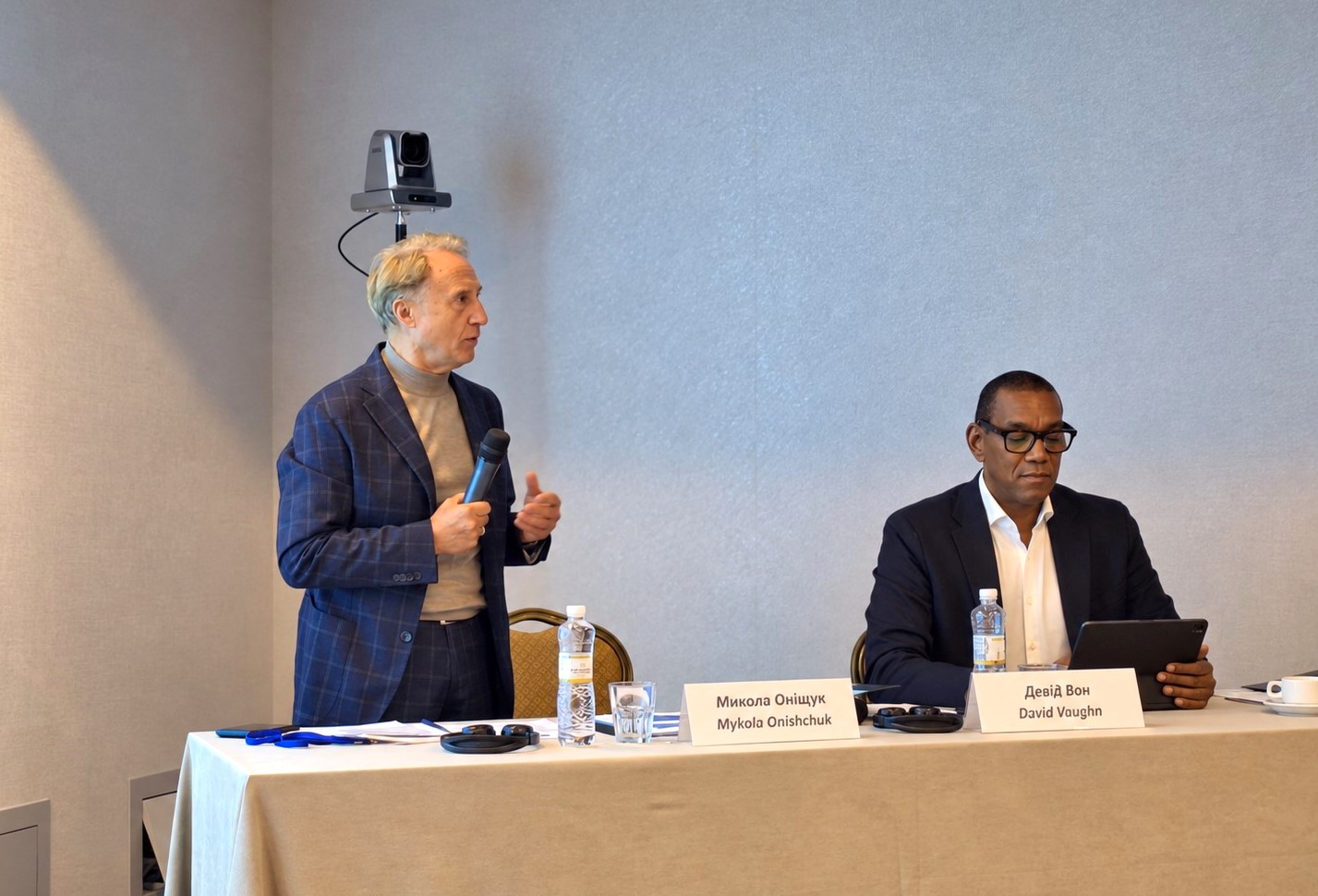
The training session was opened by the Rector of the National School of Judges of Ukraine, Mykola Onishchuk, and the Head of the EUAM project in Ukraine, ‘Building Trust through Justice’, David Vaughan, who delivered welcoming remarks.
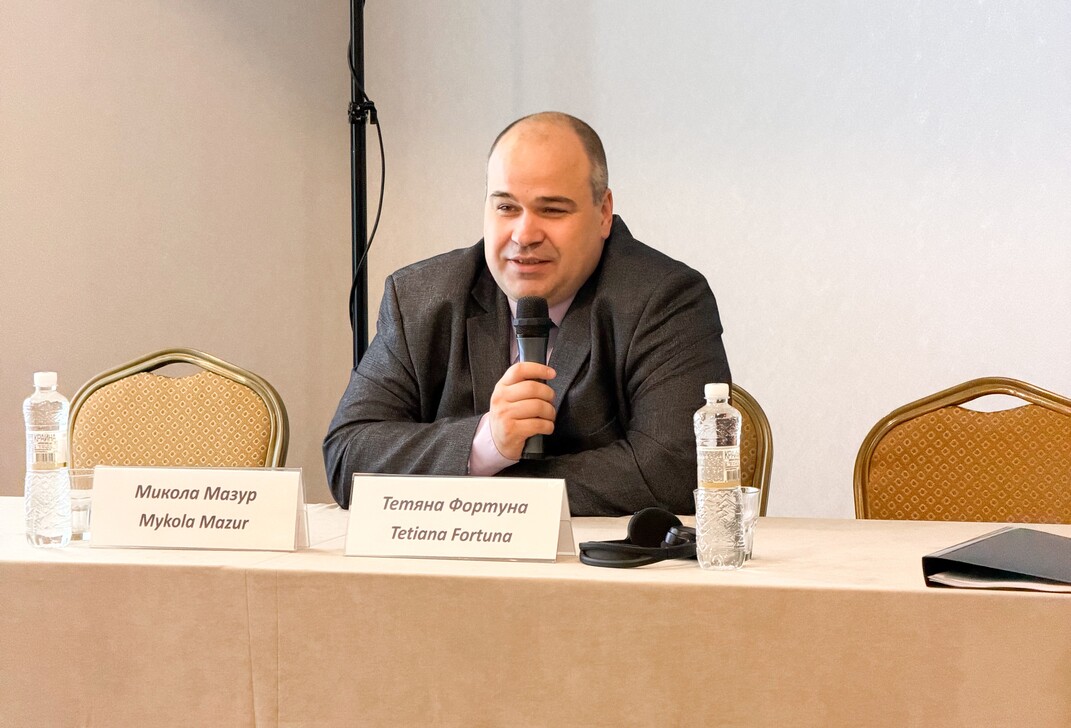
The training was also attended by Valerie Gabard (Netherlands), co-director of the civil society organisation UpRights; Nataliia Hendel, co-coordinator of the Platform for the Progressive Development of International Humanitarian Law at the Ministry of Foreign Affairs of Ukraine; David Kinnecome (Netherlands), as well as lecturers from the National School of Judges of Ukraine – Mykola Mazur, a judge of the Grand Chamber of the Supreme Court, and Tetiana Fortuna, a judge of the Mykolaiv Court of Appeal.
 |
 |
Over the course of two days, participants learnt how to deliver the training programme, which was developed on the basis of the Guide to Drafting Judgements in Cases Concerning International Crimes and the Methodological Recommendations on Delivering the Training Programme for Judges. The focus was on the requirements of Ukrainian legislation and international standards regarding the reasoning behind court decisions, the specifics of evaluating evidence, establishing the facts of a case and justifying judicial conclusions.
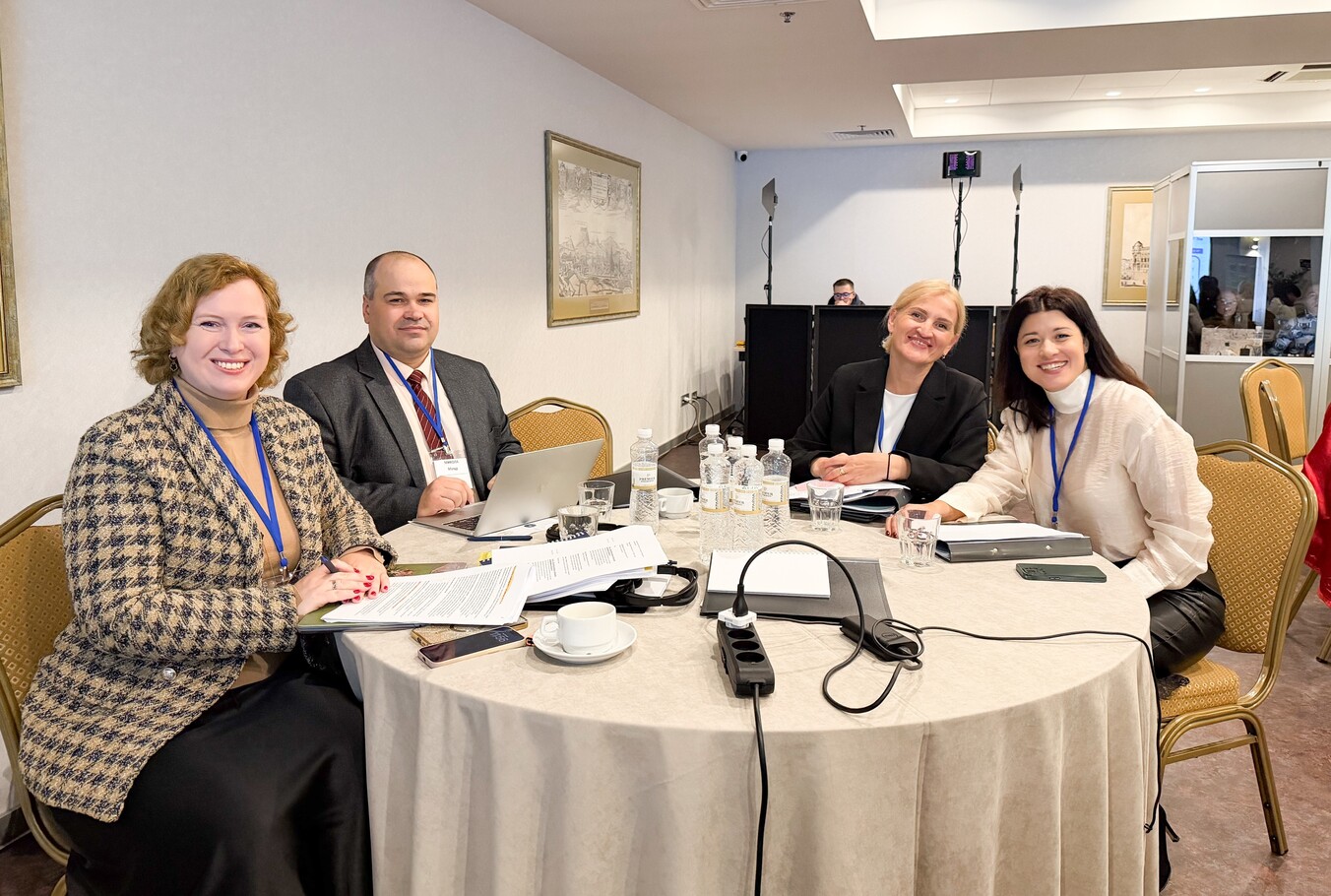
The practical component involved working in small groups, analysing decisions of Ukrainian and international courts, refining draft judicial decisions based on a hypothetical case scenario, and using checklists to assess the quality of judicial decisions.
 |
 |
Particular attention was paid to the development of teaching skills. The judge-trainers planned training sessions, selected interactive teaching methods, practised delivering individual training modules and received feedback from their colleagues.
The training concluded with a discussion on the further integration of the training programme into the judicial education system and the potential for using the prepared materials to train judges in the regions.
 |
 |
The training course marked an important stage in the preparation of lecturers (trainers) at the National School of Judges of Ukraine for the implementation of the training programme. The use of the guide, methodological recommendations and practical training materials will contribute to the development of judges’ professional competencies, improve the quality of judicial decisions in cases involving international crimes, and ensure that judicial findings are properly substantiated in accordance with national legislation and international standards of justice.
 Вища кваліфікаційна комісія суддів України
 Сайт Президента України
 Верховна Рада України
 Урядовий портал
 Судова влада України
 Вища рада правосуддя