Justice in the Age of AI: the HELP course for judges and prosecutors
On 19 March 2026, the HELP tutor course ‘Artificial Intelligence and Human Rights’, adapted to Ukrainian legislation and current challenges facing the justice system, was launched. Twenty-five Ukrainian judges, selected on a competitive basis, will take part in the training.
The initiative was implemented as part of the Council of Europe’s ‘HELP (Human Rights Education for the Legal Profession) Programme for Ukraine, including during wartime’, Phase II, in cooperation with the National School of Judges of Ukraine and the Training Centre for Prosecutors of Ukraine.
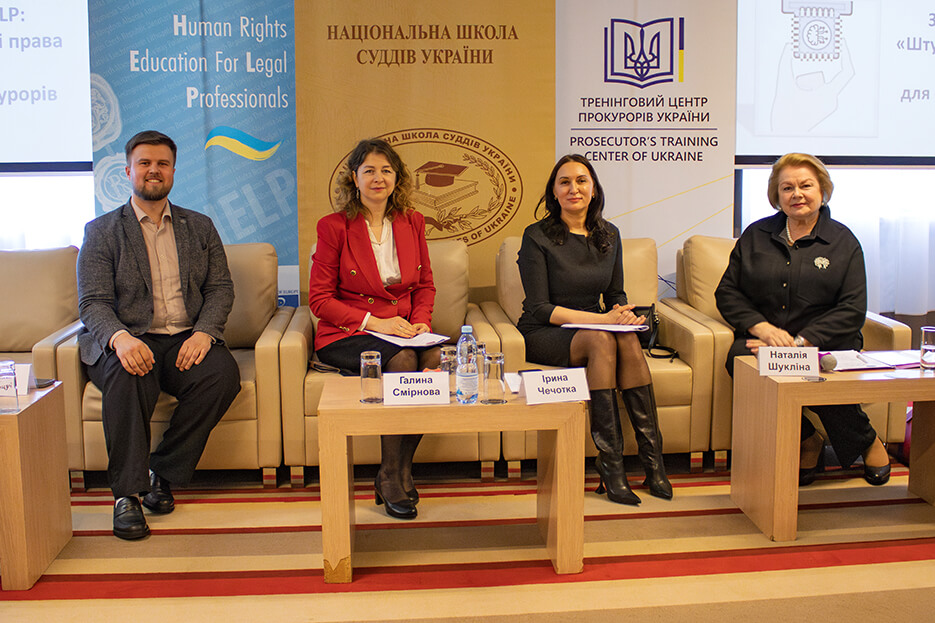
During the opening ceremony, welcoming speeches were delivered by representatives of the training organisers, including the Acting Rector of the NSJU, Natalia Shuklina, the Director of the Training Centre for Prosecutors of Ukraine, Iryna Chechotka, and the International Project Manager of the Council of Europe’s HELP Programme, Kristina Khokhlova.
In her speech, Natalia Shuklina noted that the HELP Programme had offered a highly relevant course on artificial intelligence and human rights, which combines technological innovation with the key task of the justice system – the protection of fundamental rights and freedoms. Particular attention was paid to the risks associated with the use of artificial intelligence, in particular threats to the right to privacy, potential discrimination and the impact on freedom of expression.
She emphasised that judges and prosecutors must critically assess and verify information obtained through artificial intelligence. At the same time, the use of such technologies is enshrined in law and, in accordance with Article 16 of the Code of Judicial Ethics (in the new version approved by the Congress of Judges of Ukraine in September 2024), is permitted only under three conditions – the preservation of judges’ independence and impartiality, non-interference in the process of evaluating evidence and making decisions, and compliance with the requirements of current legislation.
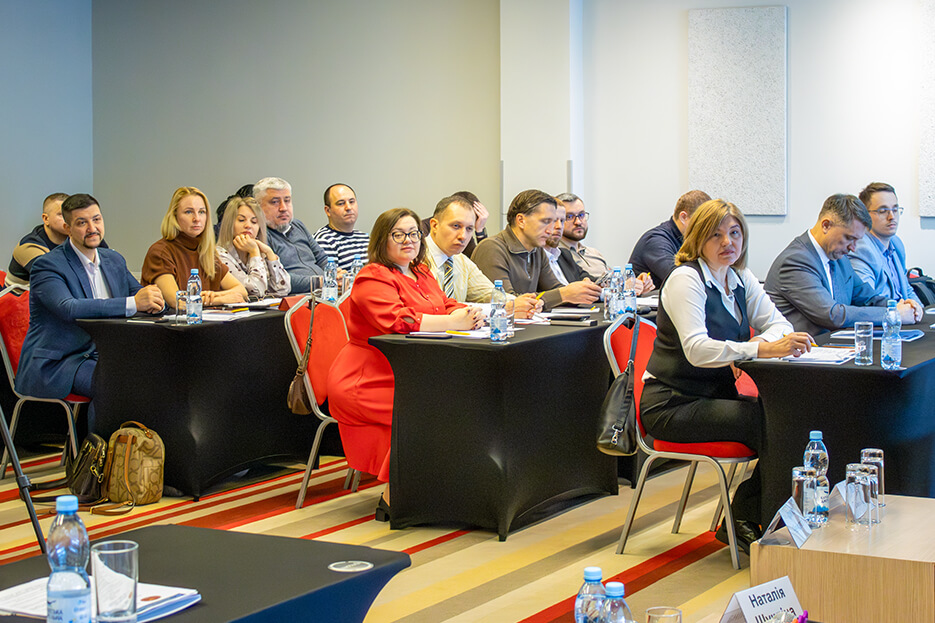
“The National School of Judges of Ukraine is in active cooperation with international partners and implements relevant training programmes, raising judges’ awareness of the safe and responsible use of artificial intelligence in their professional practice,” concluded N. Shuklina.
During the event, participants were introduced to the HELP platform and opportunities for professional training for legal professionals, and were briefed on the course structure, its learning objectives and assessment criteria. Significant attention was paid to the practical component – an interactive simulation game on the use of artificial intelligence in the work of judges and prosecutors.
An important part of the event was a panel discussion dedicated to the challenges facing the judiciary and the prosecution service in connection with the development of AI. Experts discussed the risks, opportunities and ethical aspects of introducing new technologies into the legal system.
In addition, participants were presented with the ‘Recommendations on the Responsible Use of Artificial Intelligence for Legal Professionals’, prepared in collaboration with the Ministry of Digital Transformation of Ukraine.
The launch of the course marked another step in preparing Ukrainian legal professionals to work in an environment of rapid technological development and strengthened the legal system’s capacity to respond to contemporary challenges.
Ukraine ranks first among Council of Europe member states in terms of the number of users of the HELP platform (over 20,000 people), which demonstrates the high demand for knowledge in the field of human rights in the context of the war and European integration. Therefore, the National School of Judges of Ukraine continues its strategic cooperation with the Council of Europe’s ‘HELP (Human Rights Education for Legal Professionals) for Ukraine, including during wartime’ project, Phase II, as well as with national partners – the Higher School of Advocates of the Ukrainian National Bar Association, the Coordination Centre for Legal Aid and the Training Centre for Prosecutors of Ukraine.
This joint initiative aims to enhance the professional development of judges and court staff and to implement European human rights standards in the context of war and digital transformation. In February–March this year, four new tutorial courses were launched, specifically in the areas of the protection of military personnel’s rights, personal data, digital technologies and mental health.
 Вища кваліфікаційна комісія суддів України
 Сайт Президента України
 Верховна Рада України
 Урядовий портал
 Судова влада України
 Вища рада правосуддя