OSINT evidence in cases involving international crimes: when digital material becomes admissible evidence in court
Videos from social media, satellite imagery, messages from instant messaging apps, screenshots and information from open-access online sources are increasingly becoming key pieces of evidence in cases involving international crimes. Ukrainian courts already recognise such materials as admissible, provided they are properly formalised in accordance with procedural requirements; however, the issues surrounding their collection, authentication and assessment continue to give rise to considerable practical debate.
It was precisely these issues that formed the focus of the practical workshop ‘Admissibility and Assessment of Electronic Evidence from Open Sources (OSINT) in Cases of International Crimes’, which took place in Kyiv on 13 July 2026.
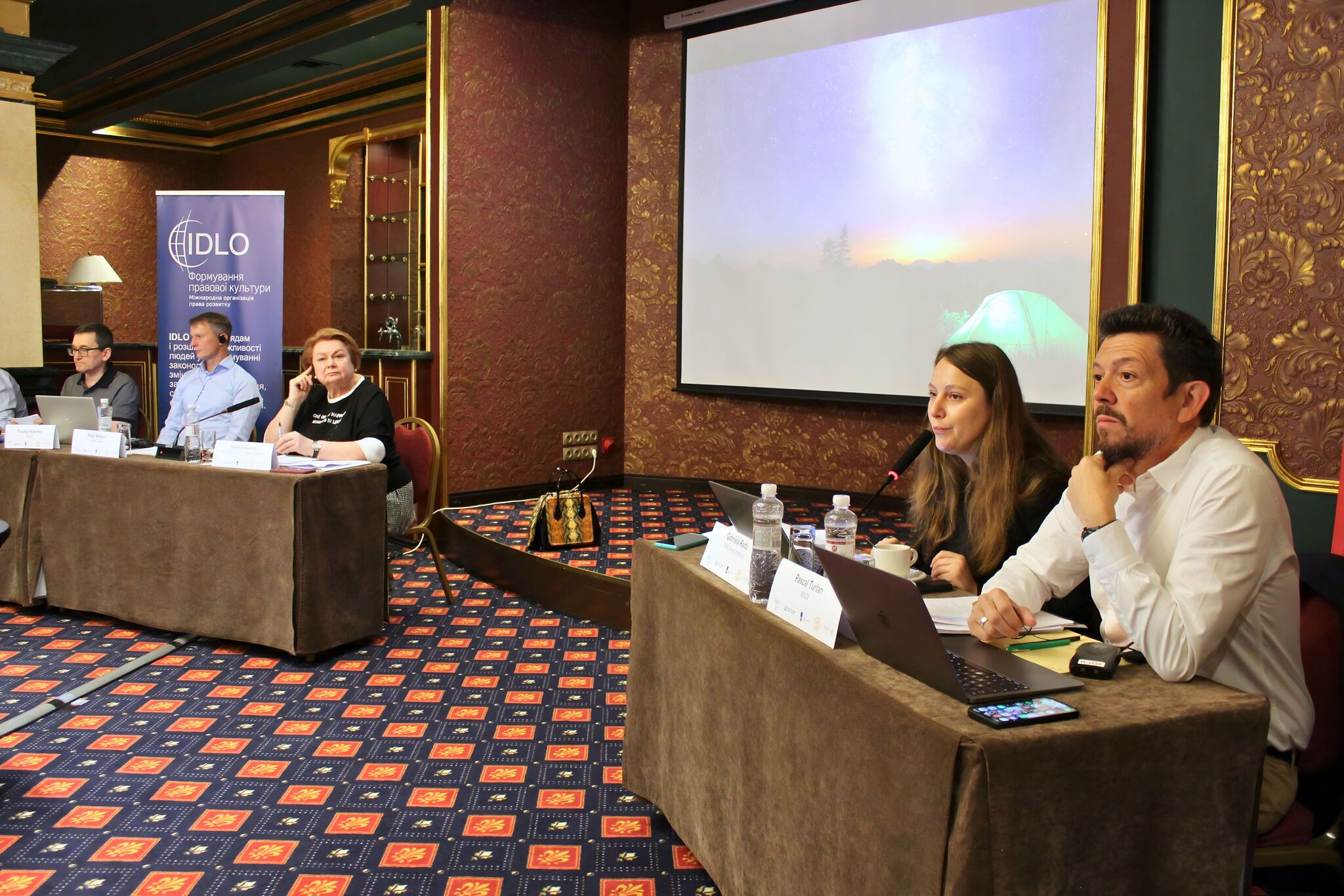
The event was organised as part of the second phase of the programme ‘Restoring Dignity and Justice in Ukraine: A Society-Wide Approach to Accountability for International Crimes’, which is funded by the Ministry of Foreign Affairs of the Netherlands and implemented by a consortium led by IDLO in partnership with the Asser Institute, CILC and the Dutch Helsinki Committee.
The workshop was attended by judges, prosecutors, investigators and lawyers working on cases involving international crimes. The central theme of the training was the practical use of digital evidence from open sources – ranging from information on social media to satellite imagery and web resources – which are increasingly being used in the documentation of war crimes.
Opening the event, the Vice-Rector of the National School of Judges of Ukraine, Nataliia Shuklina, emphasised that the russian federation’s full-scale armed aggression had presented the Ukrainian justice system with new professional challenges. According to her, the investigation and judicial examination of international crimes require not only a thorough knowledge of international criminal law, but also modern approaches to working with digital evidence.
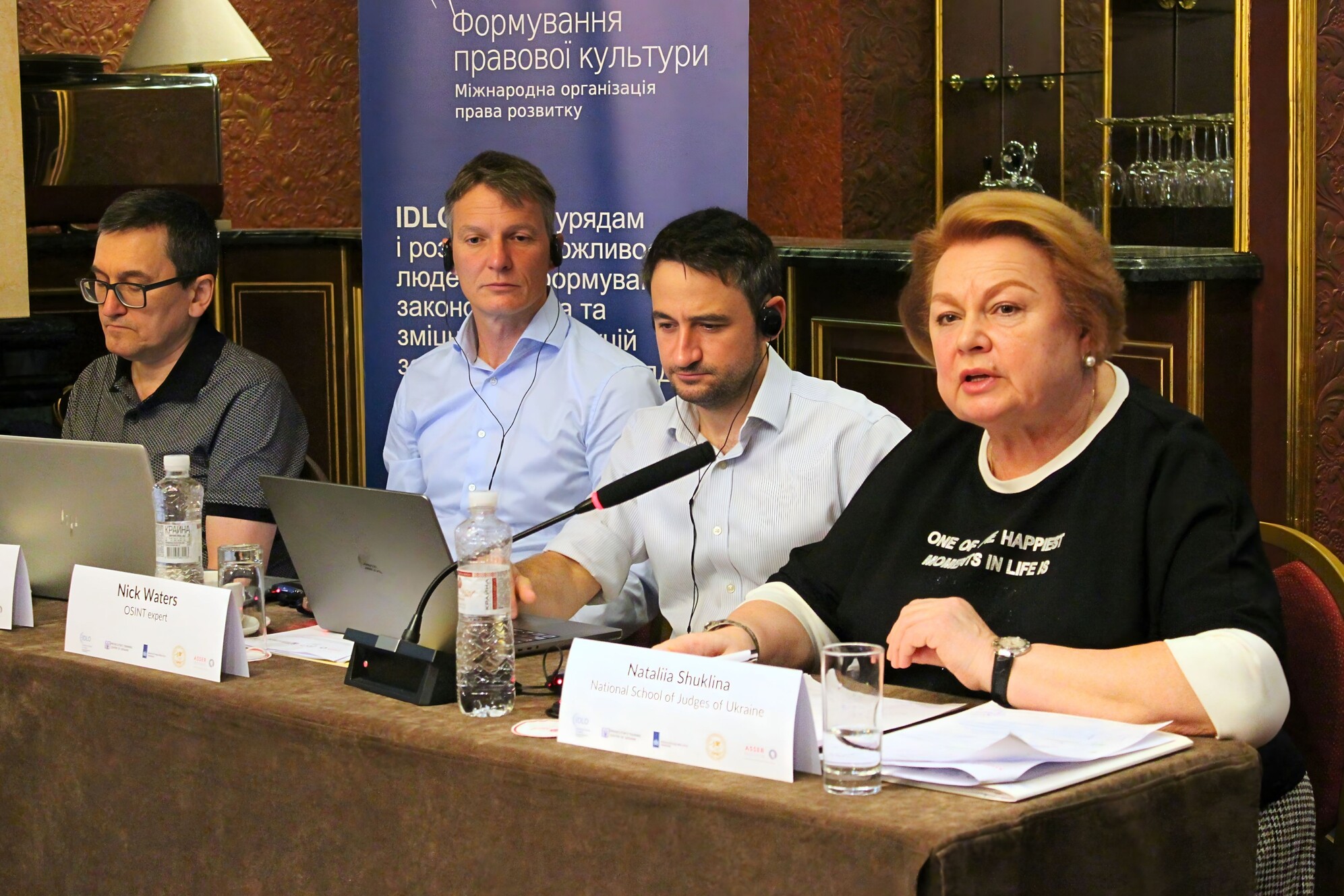
She emphasised that it is precisely electronic materials from open sources that are increasingly becoming the subject of judicial examination. At the same time, legal practice requires the development of standardised approaches to their collection, documentation, authentication and assessment.
Nataliia Shuklina also highlighted the value of the inter-professional training format, which brought together representatives of various legal professions. In her view, it is precisely the joint development of practical solutions that will contribute to the formation of a consistent and unified law enforcement practice in cases involving international crimes. The Vice-Rector also thanked international partners for their support of the Ukrainian justice system and their assistance in training specialists.
The practical part of the workshop was structured around a mock criminal proceeding concerning an alleged attack on a civilian facility. Participants took on the roles of the prosecution, the defence and the bench, analysing the process of collecting, documenting, authenticating and evaluating digital evidence in accordance with the requirements of the Criminal Procedure Code of Ukraine and international standards, in particular the Berkeley Protocol.
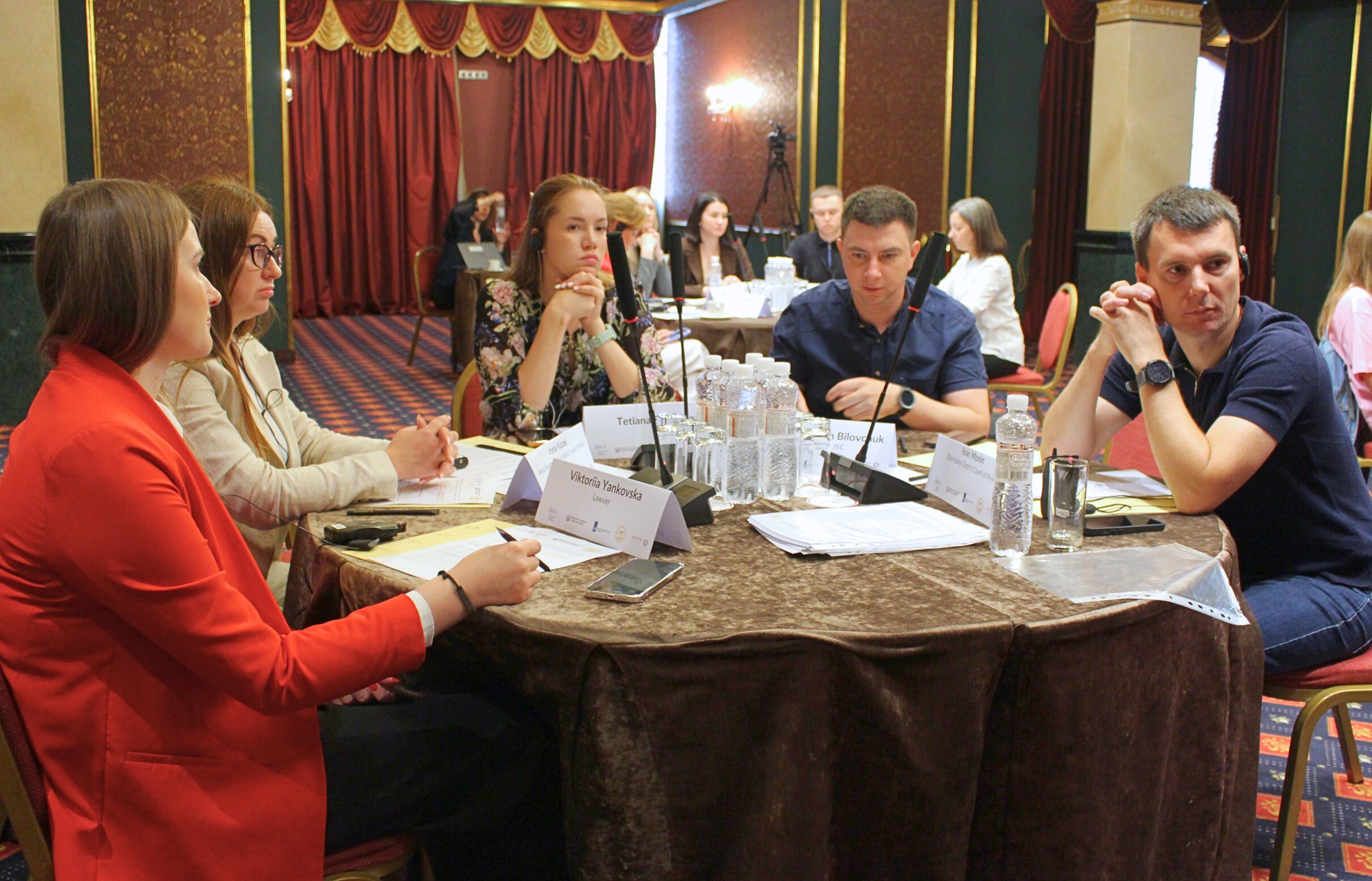
During three practical sessions, participants explored the procedural requirements for the preparation of electronic materials, the criteria for establishing their reliability and admissibility, and determined the evidentiary value of digital materials after their acceptance by the court. Each stage was concluded with a professional discussion and detailed expert analysis.Such exercises contribute to the development of unified approaches to the use of OSINT evidence in cases of international crimes and to strengthening the professional capacity of Ukrainian judges, prosecutors, investigators, and lawyers. In the context of documenting war crimes, digital evidence is increasingly becoming a key element of the judicial process, and the proper application of international standards is an important prerequisite for effective justice.
 Вища кваліфікаційна комісія суддів України
 Сайт Президента України
 Верховна Рада України
 Урядовий портал
 Судова влада України
 Вища рада правосуддя