The Ukrainian justice system is undergoing transformation under the influence of European law
On 13 March 2026, the National School of Judges of Ukraine hosted a round table entitled ‘European integration processes and their impact on Ukraine’s legal policy: theoretical and practical aspects’.
The event was held in a hybrid format and brought together leading experts in the field of EU law, judges from various courts, scholars and staff of the NSJU to discuss relevant issues concerning the harmonisation of national legislation with European law, the prospects for the development of national law in the context of European integration, and the professional development of judges in the application of European standards.
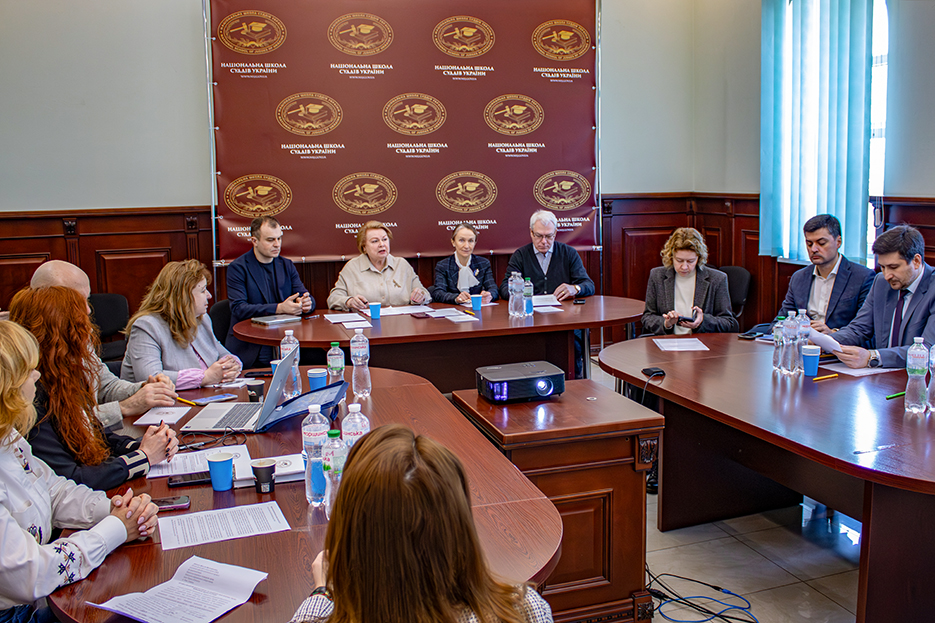
The round-table discussion was moderated by Nataliia Akhtyrska, Head of the EU Law Training Laboratory at the National School of Judges, who, together with a team of experts, ensures that judges and judicial assistants receive a high standard of training in EU law.
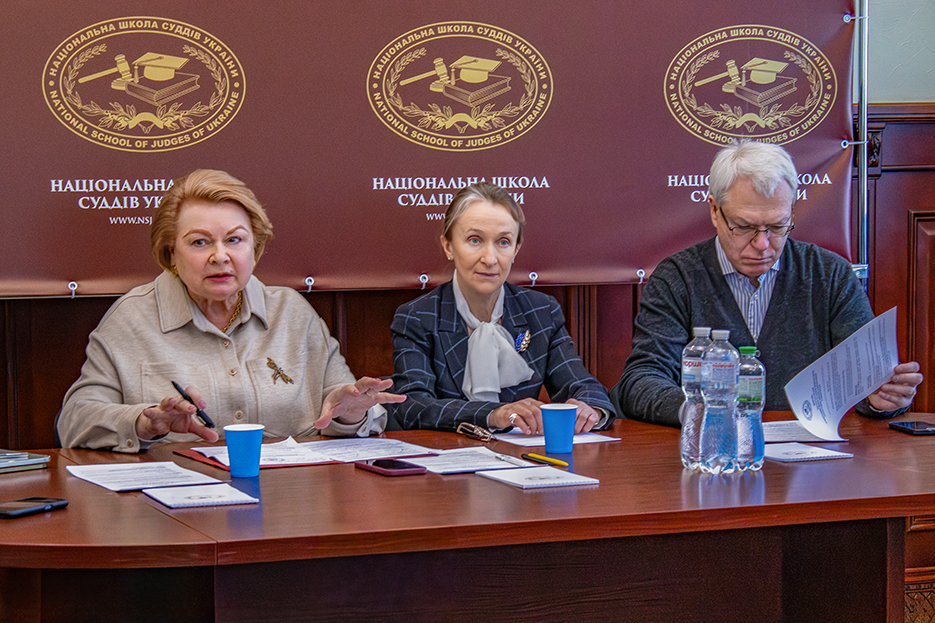
Opening the event, Nataliia Shuklina, Acting Rector of the NSJU, emphasised that the discussion focused on the impact of European integration processes on Ukraine’s legal policy, in particular the theoretical and practical aspects of applying EU law in judicial practice. She noted that from 2022, following Ukraine’s acquisition of EU candidate status, there was an urgent need to review national law and ensure high standards of human rights. To this end, an EU Law Teaching Laboratory was established within the NSJU in 2024.
According to Nataliia Shuklina, more than 8,000 judges and judicial assistants have already completed training in EU law. The programme includes lectures by leading experts, including former Judge of the Court of Justice of the European Union Virgilijus Valančius. Particular attention is paid to the practical aspects of applying EU law in national judicial practice, including the use of artificial intelligence in the justice system.
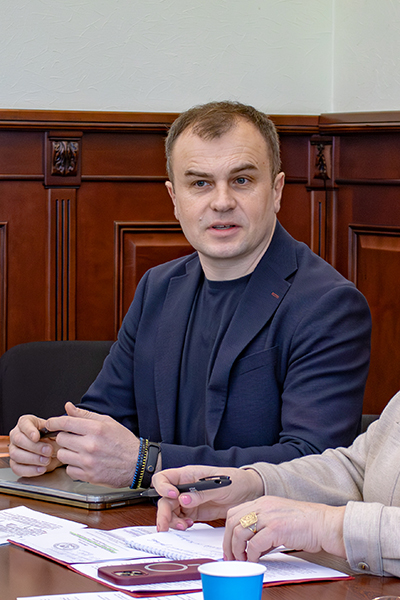
Yan Bernaziuk, a Supreme Court judge at the Administrative Court of Cassation, highlighted key issues regarding the use of AI in the justice systems of EU Member States. He emphasised that the Ukrainian legal system is still in its formative stages, particularly in the area of the digitalisation of the judicial process. In 2026, the EU is focusing on developing a methodological framework and recommendations, in particular Opinion No. 26 of the European Court of Justice on assistive technologies, which is expected by the end of the year. The existing case law of the Court of Justice of the EU mainly concerns the protection of privacy and automated data processing, which is important for the development of the digitalisation of justice in Ukraine.
Yehor Krasnov, a Supreme Court judge at the Commercial Court of Cassation, presented the position of the Consultative Council of European Judges, as set out in CCJE Opinion No. 26 (2023) ‘Moving Forward: The Use of Assistive Technologies in the Administration of Justice’. According to this document, states are obliged to ensure effective access to justice, and modern technologies are one of the key tools for achieving this, both in normal and in exceptional circumstances.
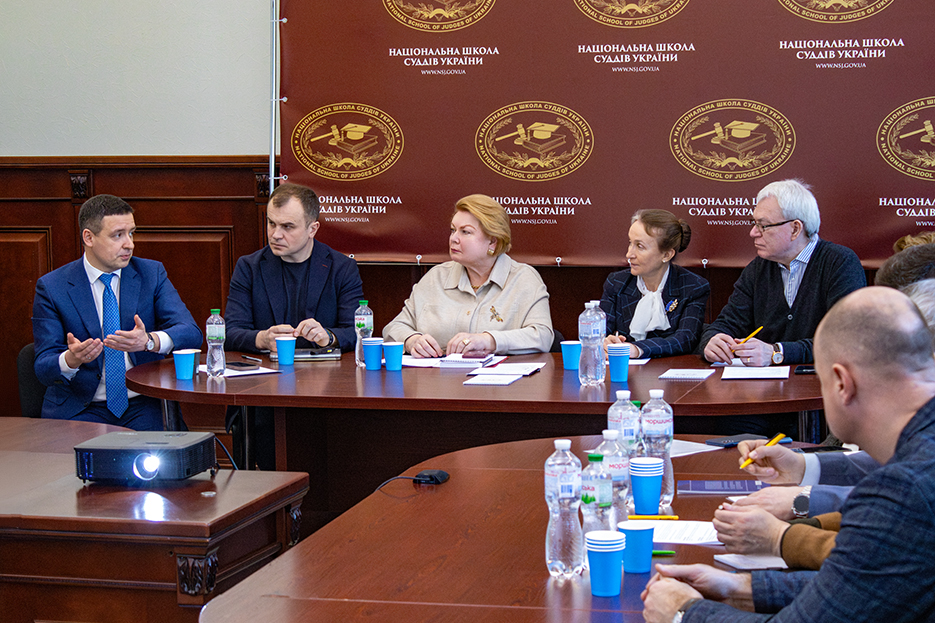 Halyna Yurovska, a judge of the Constitutional Court of Ukraine, focused on the application of EU legislation and rulings of the Court of Justice of the European Union in the practice of the Constitutional Court, emphasising that Ukraine’s course towards European integration is enshrined in the Constitution. The legislation provides for the comprehensive adaptation of national law and the improvement of institutions in line with European standards.
An interesting presentation was given by Professor of Civil Law at Jagiellonian University and Professor of European Private and Comparative Law, Fryderyk Zoll (University of Osnabrück), on the topic ‘Standards of the European Institute of Judicial Independence: Is the unification of principles of independence possible?’. The scholar emphasised the need to harmonise standards of judicial independence and presented the ELI–Mount Scopus handbook ‘European Standards of Judicial Independence’, developed by the European Law Institute with the support of the EU Justice Programme. The document sets out principles and practices aimed at ensuring the independence of the judiciary, taking into account different legal and constitutional traditions. Particular attention was paid to the risks of political interference, nepotism and undue influence within the judicial system.
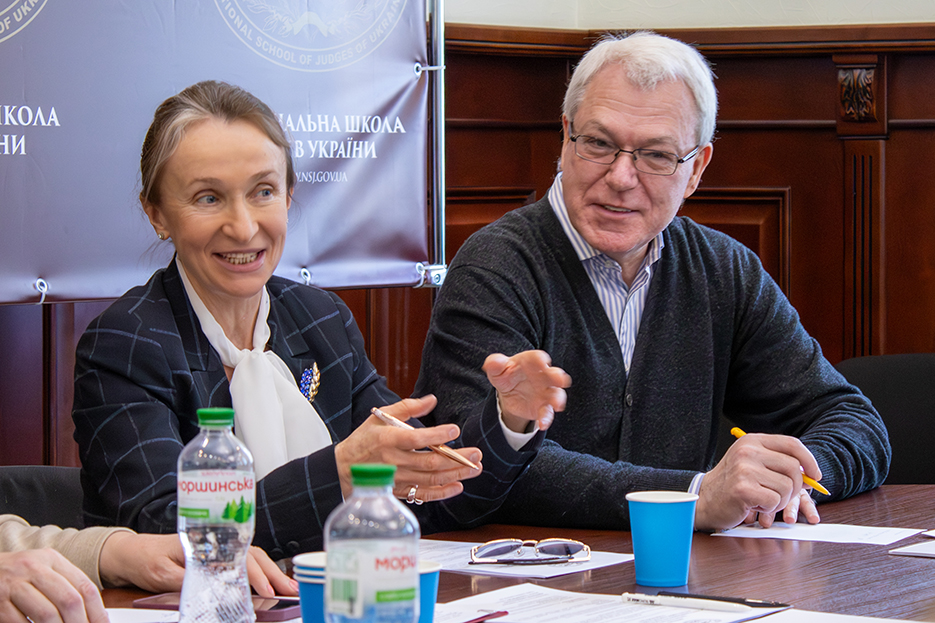 Overall, the event’s programme was packed, and the discussions were lively. Participants discussed the current challenges facing the legal system in the context of European integration, the practical aspects of applying European standards in judicial practice, ethical standards of conduct for judges, standards of access to justice, the protection of the rights of victims and defendants, judicial independence, digitalisation and international data exchange.
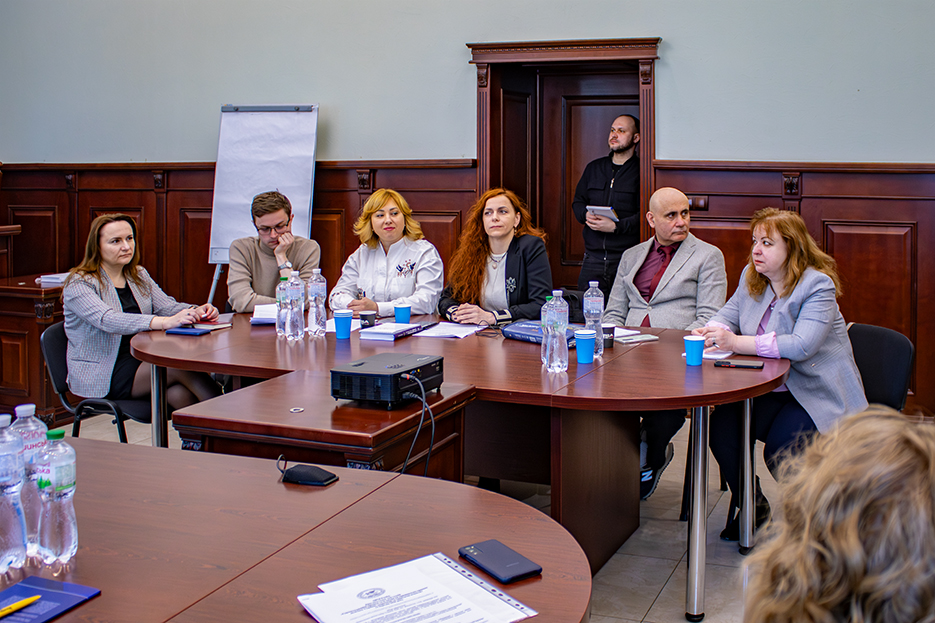
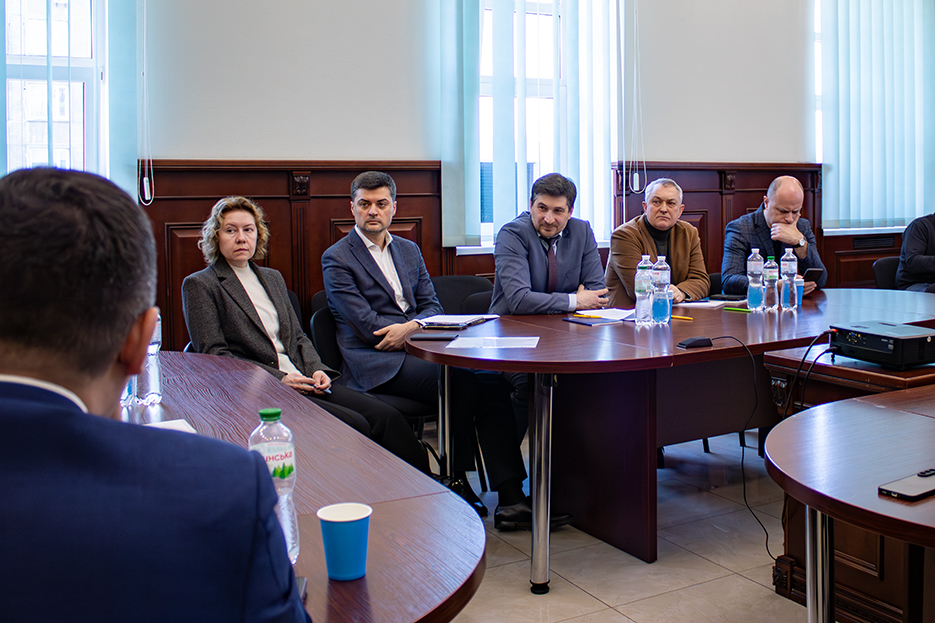
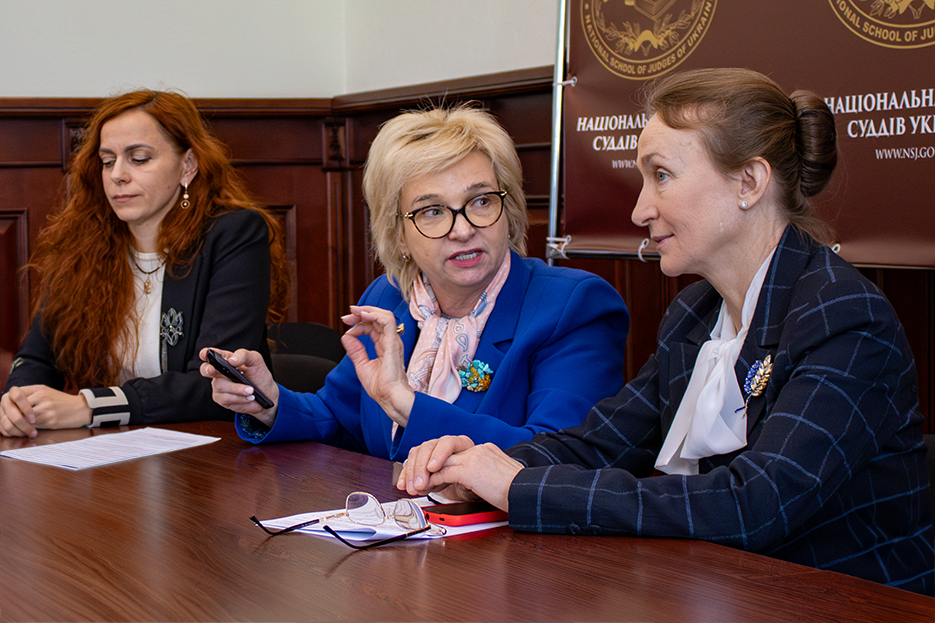 The discussion was attended by Olesia Radyshevska, a judge of the Supreme Court in the Administrative Court of Cassation; Oleh Prudivus, President of the Zaporizhzhia District Administrative Court; Serhii Prylutskyi, Chief Specialist of the Department for Regulatory and Legal Work and the Preparation of Draft Advisory Opinions of the Legal Secretariat of the High Council of Justice; Olha Streltsova, Chief Research Consultant of the Sector for Legislative Support of Economic Modernisation within the Department of Economic Development and Financial Policy of the Research Service of the Verkhovna Rada of Ukraine; Mykhailo Hutsaliuk, Leading Research Fellow at the Interdepartmental Research Centre on Combating Organised Crime under the National Security and Defence Council of Ukraine; Tetyana Burkhart, Judge of the Commercial Court of Lviv Region; Mykhailo Darmin, Judge of the Central Commercial Court of Appeal; Alina Diska, Judge of the Sumy District Administrative Court; Olha Balatska, Judge of the Rivne City Court of Rivne Region; and other experts.
The presentations also addressed the application of European standards in family, administrative and commercial law, the impact of the EU’s ‘green’ policy on Ukrainian legislation, and the development of mediation.
Participants emphasised the importance of such events for the development of the Ukrainian justice system, the alignment of legal policy with EU requirements, and the improvement of judicial practice.
The proposals put forward during the round table will be taken into account when developing the NSJU’s educational programmes on the application of European Union law.
 |  |
 Вища кваліфікаційна комісія суддів України
 Сайт Президента України
 Верховна Рада України
 Урядовий портал
 Судова влада України
 Вища рада правосуддя